Providing Out-of-Band Connectivity to Mission-Critical IT Resources

ZPE Systems Announces TD SYNNEX Partnership to Bolster Growth Strategy

ZPETDS2

Fremont, CA  March 17, 2022 — ZPE Systems Inc., a leader in network infrastructure management and orchestration solutions, today announced a partnership with TD SYNNEX (NYSE: SNX), a leading global distributor and solutions aggregator for IT ecosystems. This agreement gives partners access to ZPE’s Intel-based Gen 3 out-of-band serial consoles & modular services router gateways, to serve large enterprises and MSPs with a platform for 3rd party applications and end-to-end automation for datacenter & branch edge deployments.

Legacy fixed-function devices do not meet modern requirements for scaling, automating, and securing enterprise networks, due to interoperability issues and closed architectures. As customers struggle against security and downtime-inducing network challenges, this partnership will enable them to deploy ZPE’s platform to address disaster recovery, human error, and ransomware, using their choice of best-of-breed vendor solutions. ZPE’s cloud managed Linux-based Nodegrid® is an open platform of programmable hardware and software that extends the capabilities of infrastructure, connectivity, and cybersecurity teams.

“Cyber and physical systems are increasingly connected,” said Reyna Thompson, Senior Vice President, Product Management at TD SYNNEX. “This means organizations across all verticals are now calling for a networking platform that enables them to mix and match the solutions that work best for their use case. This partnership strengthens our portfolio. Customers can now deploy ZPE’s platform to integrate the physical and virtual solutions they need, to make their networks secure, reliable, and easy to use.”

The Linux-based Nodegrid OS, which runs on every Nodegrid Serial Console and Services Router device, enables multi-vendor freedom in IT. This allows infrastructure, connectivity, and cybersecurity teams to deploy and manage their choice of hardware, software, and SaaS solutions — from cooling and smart PDUs, to switches and servers, to NGFWs, SD-WAN and SASE integrations. The Nodegrid platform integrates with new and existing infrastructure, providing secure out-of-band access, NetDevOps automation capabilities, and enterprise-grade security that address modern business demands.

“Teaming up with TD SYNNEX is a huge value add to ZPE ​​Systems’ Edge Transformation Partner Program,” said Steven Jehring, Vice President, Global Sales, ZPE Systems. “This gives partners greater financing options, while customers get more freedom to choose a partner that’s right for them. TD SYNNEX’s world-class support, pre-sales services, and global fulfillment capabilities will be instrumental in accelerating partner sales and transforming customer networks at the data center and edge.”

To learn more or become a ZPE Systems partner, visit partners.zpesystems.com.

Read the source version on Business Wire.
What Makes a Gen 3 Serial Console?

Shifting Gears: How Network Automation Drove an Auto Company to the Cloud

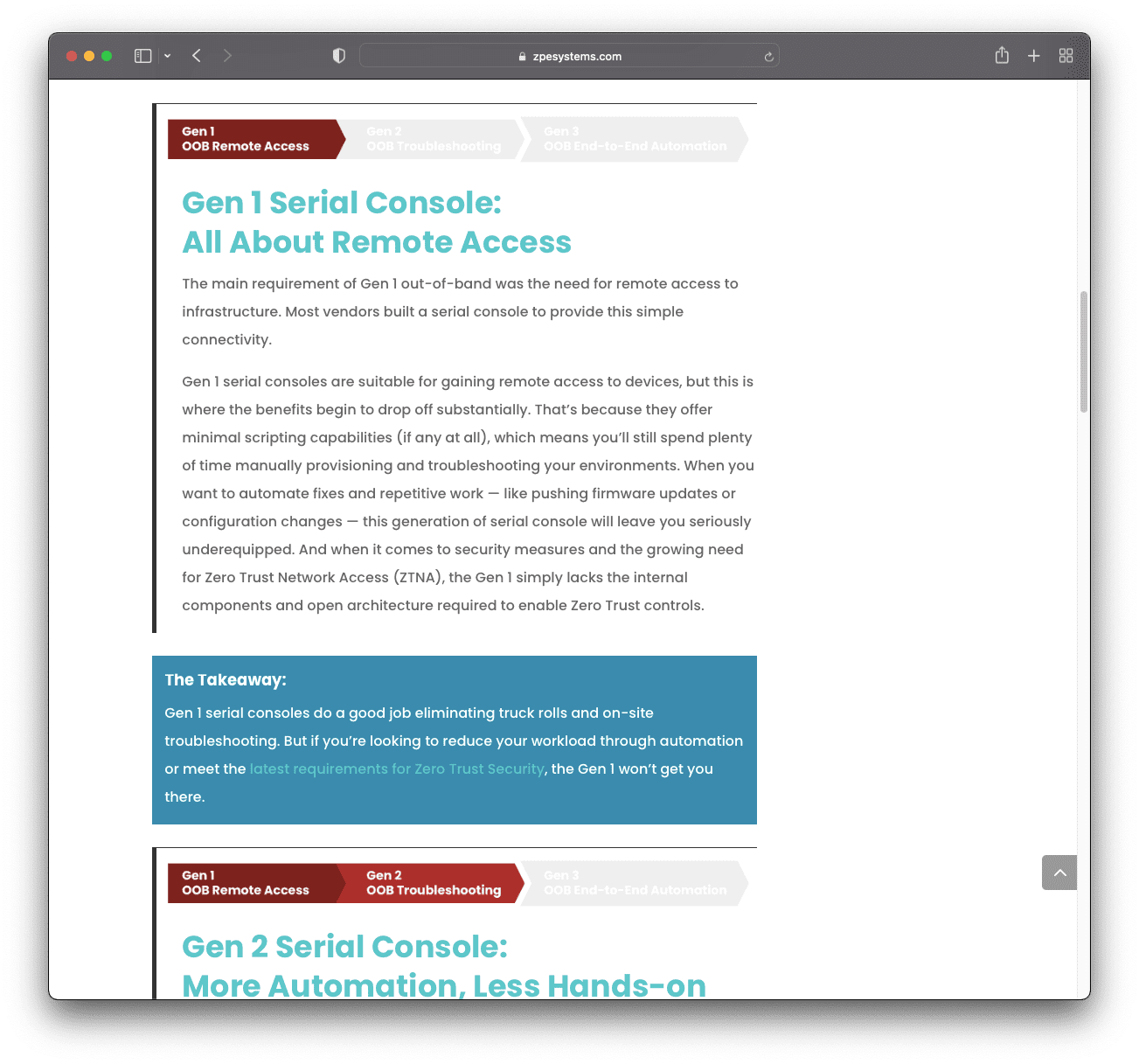
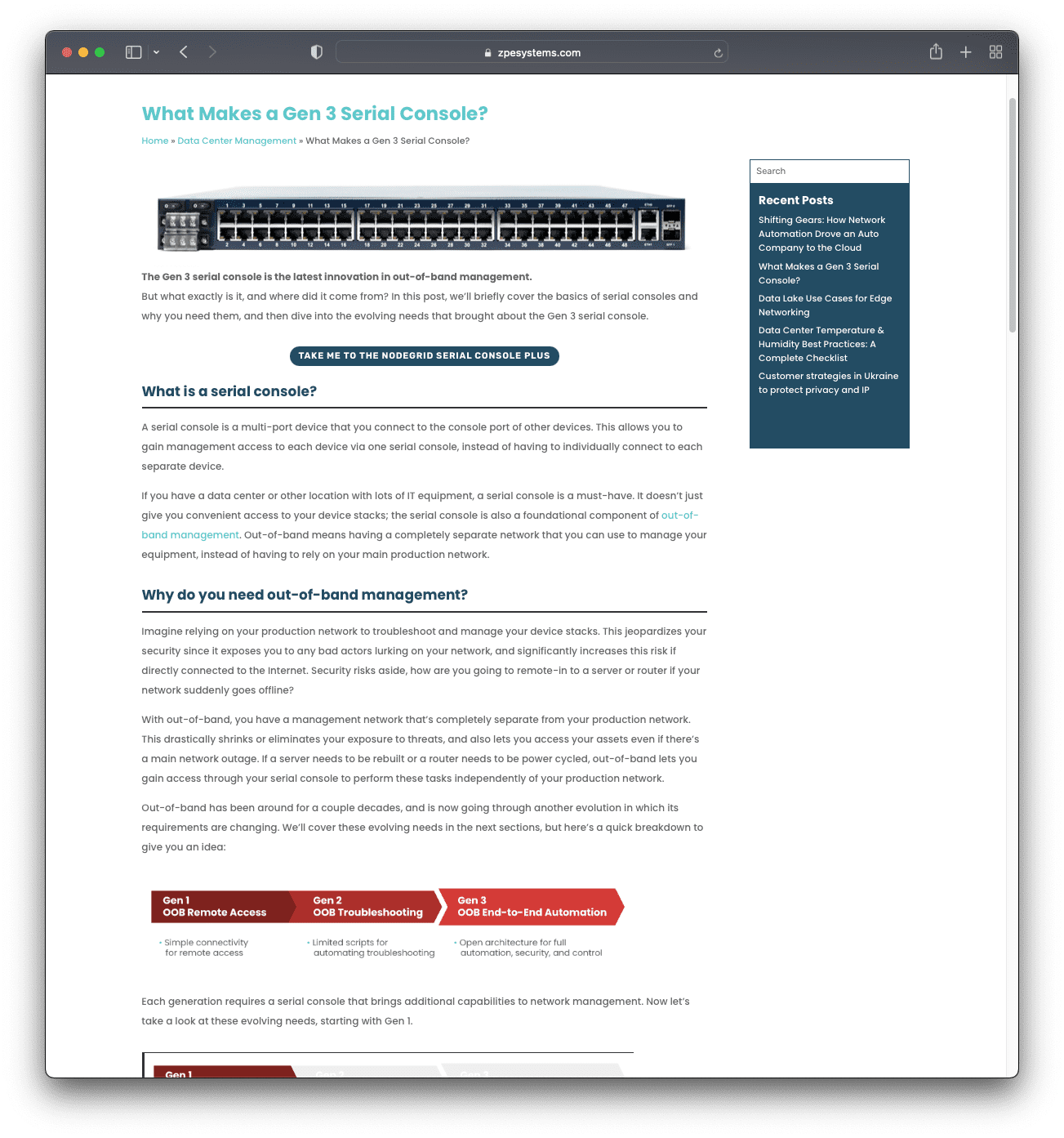
What Makes a Gen 3 Serial Console?

The Gen 3 serial console is the latest innovation in out-of-band management.
But what exactly is it, and where did it come from? In this post, we’ll briefly cover the basics of serial consoles and why you need them, and then dive into the evolving needs that brought about the Gen 3 serial console.

What Makes a Gen 3 – Teaser

Data Lake Use Cases for Edge Networking

Stock,Trading,Concept,With,Downtown,Chicago,Cityscape,Skyline,With,Lake

Data lakes are a powerful tool for capturing, storing and analyzing data from many different sources. A data lake provides an inexpensive, flat storage architecture in which to house massive amounts of unstructured data, which can then be easily accessed by your data analysis applications, data scientists, or artificial intelligence (AI) programs.

There are many potential data lake use cases for edge networking, which generate a lot of data from many different sources. In this blog, we’ll describe how data lakes can help process your edge data from remote environmental monitoring solutions and internet of things (IoT) devices.


Data lake use cases for edge networking

Internet of Things (IoT) data from isolated locations

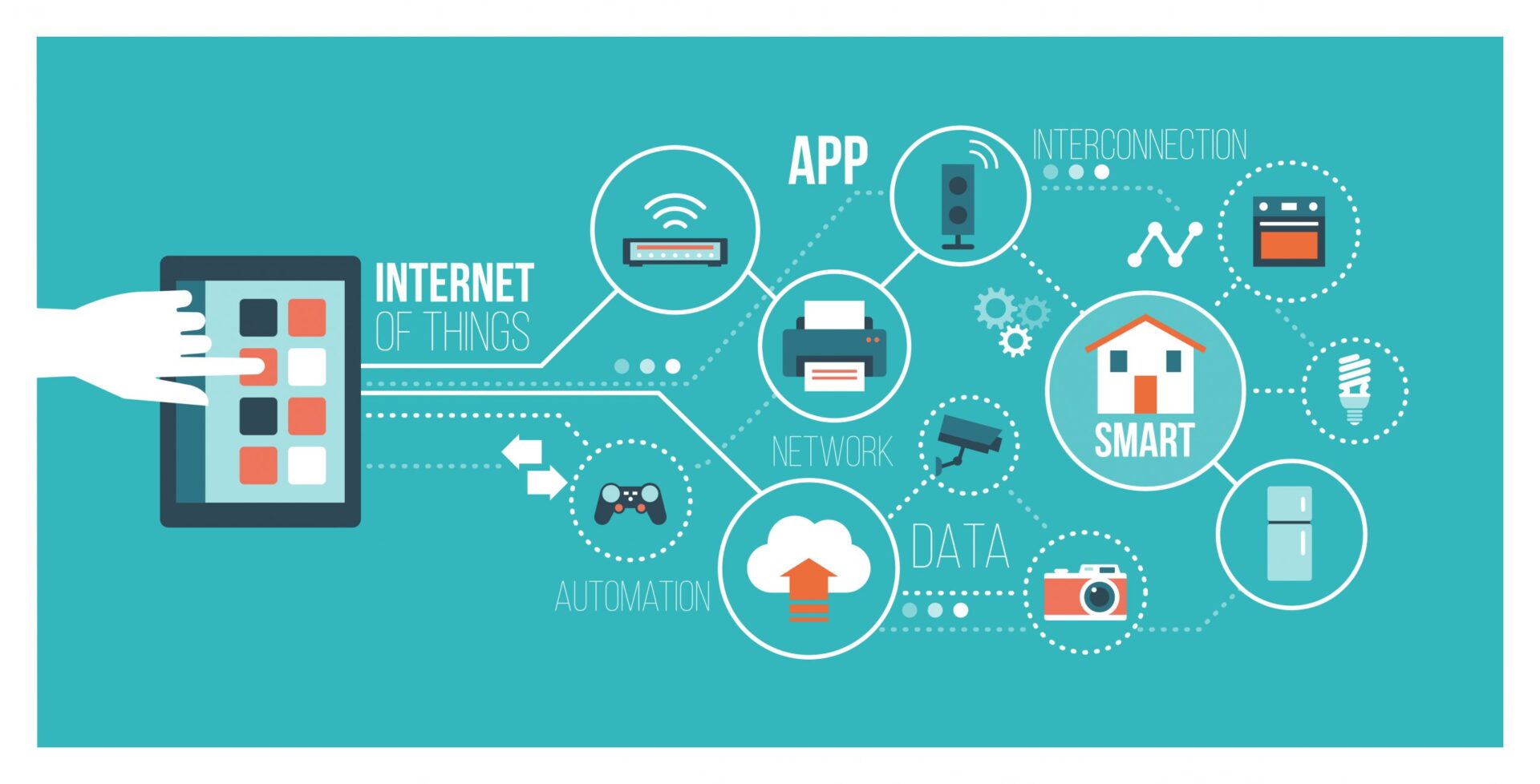
Internet,Of,Things,And,Home,Automation,Concept:,User,Connecting,With

Internet of things (IoT) devices relies on sensors to capture and process the data necessary for their function. However, most of this data is irrelevant for the task at hand, and may not have a critical use at the time it’s collected. However, as in the example above, that doesn’t mean this data has no value—and if you delete it, you may miss crucial warnings or key opportunities.

When your IoT devices are at your network edge, especially in remote or dangerous locations, that makes data collection and processing even more challenging. For example, many offshore oil rigs are in the deep ocean, miles away from the nearest land. Much of the critical machinery is underwater and inaccessible to humans. IoT sensors and actuators can monitor, control, and collect data from this equipment without putting any engineers in harm’s way.

Some IoT sensor data is immediately actionable, but what do you do with the rest? With a data lake, you can store all this valuable information, even if you’re not sure what to do with it yet. Or, you can integrate a big data solution that uses AI to inspect and analyze sensor data in real-time, helping you spot issues and opportunities that you weren’t even looking for.

Let’s say you remotely manage several rural factories that use industrial printers equipped with IoT sensors. These sensors track consumable usage, detect nozzle clogs, and alert you when there’s an error. The printer manufacturer recommends that you take these machines offline every 90 days for maintenance, which causes significant production delays. However, your data lake analytics show that, according to sensor logs, these printers are capable of operating for at least 120 days before any maintenance-related issues pop up. You could use this information to extend the period between maintenance windows, increasing plant efficiency and reducing production delays without ever setting foot on the factory floor. Plus, having sensors enables you to pinpoint exactly what part of the printer needs maintenance, which shortens maintenance times.

You can use a data lake to store and analyze data from your edge network IoT devices, which helps you prevent and detect issues as well as improve your operational efficiency.


Environmental monitoring data from remote infrastructure

Cloud,Computing,Technology,Network,With,Computer,Monitor,,Laptop,,And,Mobile
Edge networks can be highly geographically distributed, which means you may not have physical eyes on all of your equipment. That makes it difficult to spot environmental risks like water leaks or rising temperatures that could bring down your edge infrastructure if left unmitigated.

One way to monitor the condition of your equipment from far away is with environmental sensors, which can detect things like moisture, overheating, and physical tampering. However, environmental monitoring systems produce a lot of data. Often, network engineers weed out the “irrelevant” data by creating alarms and workflows that are triggered when environmental conditions pass a certain threshold. While this works well enough for reacting to issues that are already occurring, it limits your ability to predict future problems or find opportunities for optimization.

Connecting your environmental monitoring solution to a data lake gives you the ability to efficiently store all your raw sensor data, so you don’t have to throw out any potentially valuable information. With a data lake, you don’t have to strictly prioritize which environmental monitoring data you keep. Even if you don’t have a specific use for that information right now, you may find one later. Historical data is often invaluable for troubleshooting systemic issues or finding ways to use resources more efficiently.

For example, let’s say you want to lower your energy costs by using air cooling systems more efficiently. With a data lake, you can collect and store temperature data from all your locations over the course of months or even years without worrying about running out of space on your local SAN. You can then use data analytics to view temperatures over time and correlate them with your energy bills to determine how expensive it is to cool your infrastructure in each location. Perhaps you could reduce A/C usage in your Minnesota branch, or maybe you need to invest in a more efficient cooling system for your Nevada warehouse.

Using a data lake for your edge infrastructure environmental monitoring means you can store and use all your valuable sensor data to prevent issues, spot trends, and optimize processes even from thousands of miles away.

Nodegrid Data Lake for Your Edge Networking Use Case

Though data lakes are a powerful tool, many solutions have limitations when it comes to edge networking. For example, some data lakes use an on-premises appliance that must be accessed from the enterprise network, which means your edge infrastructure has to connect over a VPN or WAN link. Other data lake solutions provide only storage, and don’t offer any built-in organization tools, analytics, or visualizations.

Nodegrid Data Lake is a solution built for the edge, with an entirely cloud-based interface that your users and devices can connect to from anywhere in the world. The Nodegrid control panel provides visual analytics on six key data points, including infrastructure, application, security, environmental, networking, and system logs. Nodegrid Data Lake even collects previously hidden server and switch logs from IPMI and RS232 serial consoles.

Plus, with Nodegrid environmental sensors and ZPE Cloud, you can monitor and manage your entire edge infrastructure from behind one pane of glass. The Nodegrid family of hardware and software is a complete edge networking solution.

To learn more about data lakes, read What Is a Data Lake, and Who Needs It? For more information about Nodegrid Data Lake use cases for edge networking, call 1-844-4ZPE-SYS or contact ZPE Systems online.