Providing Out-of-Band Connectivity to Mission-Critical IT Resources

Edge Management and Orchestration

shutterstock_2264235201(1)

Organizations prioritizing digital transformation by adopting IoT (Internet of Things) technologies generate and process an unprecedented amount of data. Traditionally, the systems used to process that data live in a centralized data center or the cloud. However, IoT devices are often deployed around the edges of the enterprise in remote sites like retail stores, manufacturing plants, and oil rigs. Transferring so much data back and forth creates a lot of latency and uses valuable bandwidth. Edge computing solves this problem by moving processing units closer to the sources that generate the data.

IBM estimates there are over 15 billion edge devices already in use. While edge computing has rapidly become a vital component of digital transformation, many organizations focus on individual use cases and lack a cohesive edge computing strategy. According to a recent Gartner report, the result is what’s known as “edge sprawl”: many individual edge computing solutions deployed all over the enterprise without any centralized control or visibility. Organizations with disjointed edge computing deployments are less efficient and more likely to hit roadblocks that stifle digital transformation.

The report provides guidance on building an edge computing strategy to combat sprawl, and the foundation of that strategy is edge management and orchestration (EMO). Below, this post summarizes the key findings from the Gartner report and discusses some of the biggest edge computing challenges before explaining how to solve them with a centralized EMO platform.

Key findings from the Gartner report

Many organizations already use edge computing technology for specific projects and use cases – they have an individual problem to solve, so they deploy an individual solution. Since the stakeholders in these projects usually aren’t architects, they aren’t building their own edge computing machines or writing software for them. Typically, these customers buy pre-assembled solutions or as-a-service offerings that meet their specific needs.

However, a piecemeal approach to edge computing projects leaves organizations with disjointed technologies and processes, contributing to edge sprawl and shadow IT. Teams can’t efficiently manage or secure all the edge computing projects occurring in the enterprise without centralized control and visibility. Gartner urges I&O (infrastructure & operations) leaders to take a more proactive approach by developing a comprehensive edge computing strategy encompassing all use cases and addressing the most common challenges.

Edge computing challenges

Gartner identifies six major edge computing challenges to focus on when developing an edge computing strategy:

Gartner’s 6 edge computing challenges to overcome

Enabling extensibility so edge computing solutions are adaptable to the changing needs of the business.

Extracting value from edge data with business analytics, AIOps, and machine learning training.

Governing edge data to meet storage constraints without losing valuable data in the process.

Supporting edge-native applications using specialized containers and clustering without increasing the technical debt.

Securing the edge when computing nodes are highly distributed in environments without data center security mechanisms.

Edge management and orchestration that supports business resilience requirements and improves operational efficiency.

Let’s discuss these challenges and their solutions in greater depth.

  • Enabling extensibility – Many organizations deploy purpose-built edge computing solutions for their specific use case and can’t adapt when workloads change or grow.  The goal is to attempt to predict future workloads based on planned initiatives and create an edge computing strategy that leaves room for that growth. However, no one can really predict the future, so the strategy should account for unknowns by utilizing common, vendor-neutral technologies that allow for expansion and integration.
  • Extracting value from edge data – The generation of so much IoT and sensor data gives organizations the opportunity to extract additional value in the form of business insights, predictive analysis, and machine learning training. Quickly extracting that value is challenging when most data analysis and AI applications still live in the cloud. To effectively harness edge data, organizations should look for ways to deploy artificial intelligence training and data analytics solutions alongside edge computing units.
  • Governing edge data – Edge computing deployments often have more significant data storage constraints than central data centers, so quickly distinguishing between valuable data and destroyable junk is critical to edge ROIs. With so much data being generated, it’s often challenging to make this determination on the fly, so it’s important to address data governance during the planning process. There are automated data governance solutions that can help, but these must be carefully configured and managed to avoid data loss.
  • Supporting edge-native applications – Edge applications aren’t just data center apps lifted and shifted to the edge; they’re designed for edge computing from the bottom up. Like cloud-native software, edge apps often use containers, but clustering and cluster management are different beasts outside the cloud data center. The goal is to deploy platforms that support edge-native applications without increasing the technical debt, which means they should use familiar container management technologies (like Docker) and interoperate with existing systems (like OT applications and VMs).
  • Securing the edge – Edge deployments are highly distributed in locations that may lack many physical security features in a traditional data center, such as guarded entries and biometric locks, which adds risk and increases the attack surface. Organizations must protect edge computing nodes with a multi-layered defense that includes hardware security (such as TPM), frequent patches, zero-trust policies, strong authentication (e.g., RADIUS and 2FA), and network micro-segmentation.
  • Edge management and orchestration – Moving computing out of the climate-controlled data center creates environmental and power challenges that are difficult to mitigate without an on-site technical staff to monitor and respond. When equipment failure, configuration errors, or breaches take down the network, remote teams struggle to meet resilience requirements to keep business operations running 24/7. The sheer number and distribution area of edge computing units make them challenging to manage efficiently, increasing the likelihood of mistakes, issues, or threat indicators slipping between the cracks. Addressing this challenge requires centralized edge management and orchestration (EMO) with environmental monitoring and out-of-band (OOB) connectivity.

    A centralized EMO platform gives administrators a single-pane-of-glass view of all edge deployments and the supporting infrastructure, streamlining management workflows and serving as the control panel for automation, security, data governance, cluster management, and more. The EMO must integrate with the technologies used to automate edge management workflows, such as zero-touch provisioning (ZTP) and configuration management (e.g., Ansible or Chef), to help improve efficiency while reducing the risk of human error. Integrating environmental sensors will help remote technicians monitor heat, humidity, airflow, and other conditions affecting critical edge equipment’s performance and lifespan. Finally, remote teams need OOB access to edge infrastructure and computing nodes, so the EMO should use out-of-band serial console technology that provides a dedicated network path that doesn’t rely on production resources.

Gartner recommends focusing your edge computing strategy on overcoming the most significant risks, challenges, and roadblocks. An edge management and orchestration (EMO) platform is the backbone of a comprehensive edge computing strategy because it serves as the hub for all the processes, workflows, and solutions used to solve those problems.

Edge management and orchestration (EMO) with Nodegrid

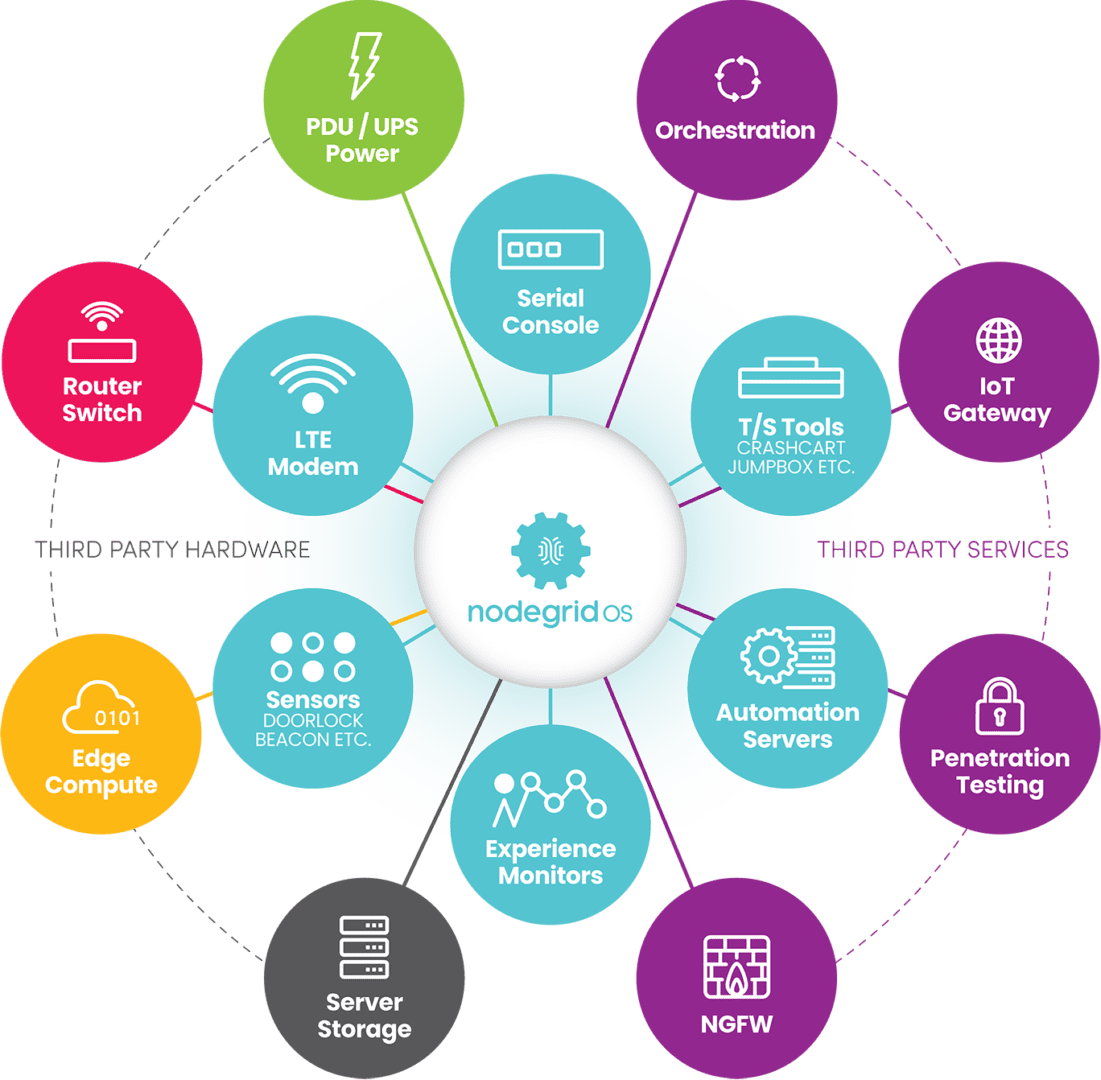
Nodegrid is a vendor-neutral edge management and orchestration (EMO) platform from ZPE Systems. Nodegrid uses Gen 3 out-of-band technology that provides 24/7 remote management access to edge deployments while freely interoperating with third-party applications for automation, security, container management, and more. Nodegrid environmental sensors give teams a complete view of temperature, humidity, airflow, and other factors from anywhere in the world and provide robust logging to support data-driven analytics.

The open, Linux-based Nodegrid OS supports direct hosting of containers and edge-native applications, reducing the hardware overhead at each edge deployment. You can also run your ML training, AIOps, data governance, or data analytics applications from the same box to extract more value from your edge data without contributing to sprawl.

In addition to hardware security features like TPM and geofencing, Nodegrid supports strong authentication like 2FA, integrates with leading zero-trust providers like Okta and PING, and can run third-party next-generation firewall (NGFW) software to streamline deployments further.

The Nodegrid platform brings all the components of your edge computing strategy under one management umbrella and rolls it up with additional core networking and infrastructure management features. Nodegrid consolidates edge deployments and streamlines edge management and orchestration, providing a foundation for a Gartner-approved edge computing strategy.

Want to learn more about how Nodegrid can help you overcome your biggest edge computing challenges?

Contact ZPE Systems for a free demo of the Nodegrid edge management and orchestration platform.
Contact Us

Intel NUC Use Cases

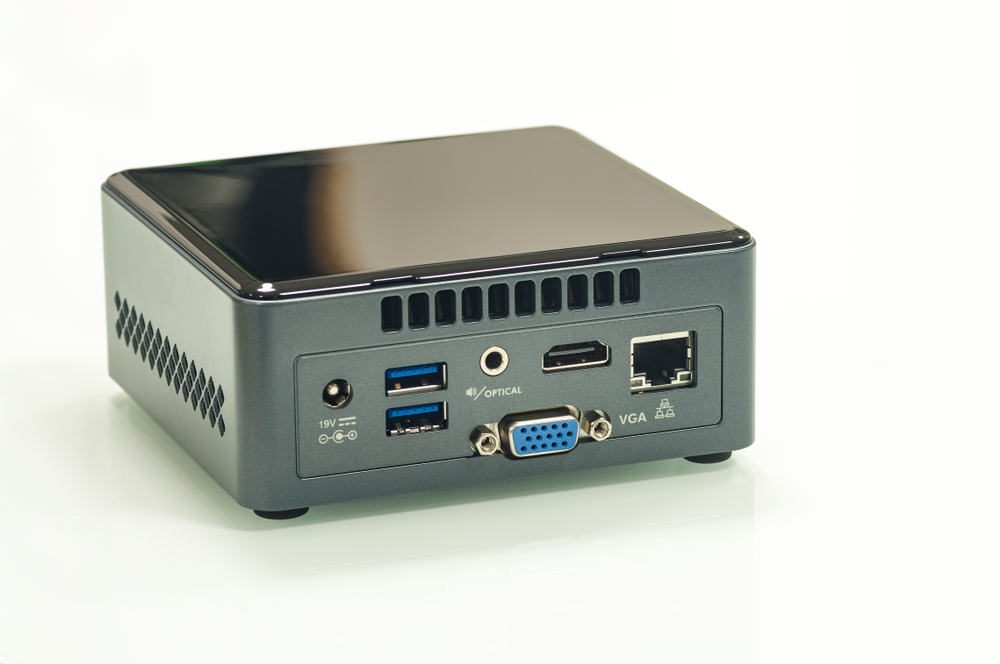
A mini-PC similar to an Intel NUC.

The Intel NUC, or “Next Unit of Computing,” is a small, appliance-like minicomputer that’s widely used across a variety of industries and applications. They’re tiny and relatively inexpensive, so you’ll often find them inside IoT devices and ruggedized cases. They’re also frequently deployed as jump boxes or service delivery appliances. However, Intel NUCs create added security risks, technical debt, and management headaches. Plus, Intel recently announced the discontinuation of all NUC product lines. This post describes some of the most common Intel NUC use cases, explains the security and management issues that caused its discontinuation, and provides superior replacement options.

Table of Contents

  1. Intel NUC use cases
  2. Intel NUC EOL products
  3. Why is Intel EOL-ing the NUC?
  4. Intel NUC replacement options from ZPE Systems
  5. Nodegrid product comparison
  6. Intel NUC replacement SKUs

Intel NUC use cases

While Intel NUCs have a dedicated fanbase among home enthusiasts, they’re primarily used by professional IT teams. Some popular Intel NUC use cases include:

  • Reducing carbon footprints: As investors place more importance on an organization’s environmental, social, and governance (ESG) practices, it becomes necessary to improve sustainability and reduce greenhouse gas emissions. Replacing inefficient PC towers with Intel NUCs can help reduce carbon footprints and improve ESG ratings.
  • Security and surveillance systems: An Intel NUC can run a wide range of security applications for things like entry control and surveillance cameras, eliminating the need for dedicated servers. Some IoT (Internet of Things) security devices have embedded Intel NUCs for greater mobility and efficiency.
  • Application delivery: Some service providers use Intel NUCs as platforms to deploy their software on-site to reduce hardware overhead costs. For example, a provider can install a NUC in their customer’s server room to deliver artificial intelligence (AI) or Software-as-a-Service (SaaS) applications.
  • Jump boxes: Managed Service Providers (MSPs) and Managed Security Service Providers (MSSPs) often deploy Intel NUCs at customer sites to act as “jump boxes” used to remotely access client infrastructure without taking up rack space.
  • Rugged computing: When services are needed out in the field, such as in military or construction applications, a traditional laptop may not be heavy-duty enough to withstand operating conditions. Some organizations solve this problem by running their services on Intel NUCs installed inside rugged cases designed for the environment.
  • Customized appliance computing: For specialized applications requiring a high degree of physical customization, such as law enforcement surveillance systems, an Intel NUC is often used because it’s small enough to fit nearly any case.

Intel NUC EOL products

Intel recently announced it’s discontinuing all NUC products, with specific dates for end-of-sale, end-of-support, and end-of-security-support varying by product. ASUS agreed to take over manufacturing and support of NUC product lines, but it’s unclear what the transition will look like or how ASUS will develop the NUC in the future.

Click here to view a list of all Intel NUC end-of-life SKUs as well as direct replacement options.

Why is Intel EOL-ing the NUC?

Despite all the exciting enterprise use cases listed above, the Intel NUC was never intended to be used as an appliance. It has numerous security and management limitations that make it challenging for Intel (and ASUS, in the future) to support the NUC for enterprise applications, including:

  • There’s no dedicated platform to deploy or secure NUC applications
  • Each Intel NUC is managed and accessed individually with no centralized management
  • Intel NUCs create a lot of technical debt because they require a lot of coding, API knowledge, and other specialized skills to work with
  • NUC operating systems are usually left out of patch schedules, leaving vulnerabilities critically exposed
  • There is usually no ability to recover a non-responsive NUC remotely, requiring expensive on-site visits any time there’s a network hiccup or OS crash
  • NUCs often don’t have the onboard hardware Roots of Trust (e.g., TPM) needed to secure them properly
  • The hardware NUCs are embedded in often have unclear or undocumented supply chains
  • There’s no ability for bidirectional authentication to the cloud with unique certificates
  • The production data and applications are on the same plane as management processes, leaving management ports exposed

Intel NUCs are a quick and inexpensive way to deploy applications, jump boxes, and digital services, which is what makes them so popular in enterprises. However, due to a lack of security features and centralized management, NUCs are also popular with cybercriminals looking for an easy target to exploit. With Intel discontinuing all NUC product lines, it’s the perfect opportunity to look for a replacement option that delivers the same cost-efficient flexibility but with enterprise-grade security and management features built in.

Intel NUC replacement options from ZPE Systems

Nodegrid is a family of all-in-one networking, application delivery, and infrastructure management devices from ZPE Systems. Nodegrid was built with security in mind, taking a three-pronged approach that includes:

  1. Hardware security – Onboard security features like TPM 2.0 and self-encrypted disk (SED) protect your device even if it falls into the wrong hands.
  2. Software security – Nodegrid protects its software using features such as BIOS protection and Signed OS, and it can host third-party security applications for an even stronger defense.
  3. Management security – Nodegrid keeps the management plane isolated from the data plane and uses strong zero-trust authentication methods to protect your management interfaces.

Nodegrid reduces management headaches without reducing security or functionality. ZPE provides enterprise-level support for all Nodegrid products with a responsive engineering team and 24-hour CVE (common vulnerabilities and exposures) patching. Nodegrid also lowers the technical debt and can meet teams at their skill level. You can deploy Nodegrid and use it to manage solutions that are already in place without any specialized programming or API knowledge.

Plus, Nodegrid uses out-of-band (OOB) management and serial connectivity to ensure continuous remote access to the control plane, making it a superior choice to an Intel NUC jump box for MSPs and MSSPs. With OOB connection options like 5G/4G LTE, teams can remotely troubleshoot and recover systems, services, and applications, even during major network outages. Management of all Nodegrid-connected infrastructure is unified by a single platform for streamlined control at any scale.

Due to its size, cost, and open, Linux-based operating system, Nodegrid is just as flexible and efficient as an Intel NUC while delivering the centralized management, robust security, and responsive support needed in enterprise deployments.

Learn more about replacing mini-computers with enterprise solutions:

Nodegrid product comparison

The entire family of Nodegrid edge solutions provides reliable OOB management and flexible service delivery capabilities protected by enterprise-grade security features. The Nodegrid Mini SR, Bold SR, and Gate SR are direct replacements for EOL Intel NUC models but offer so much more. Nodegrid is an entire Services Delivery Platform designed to streamline operations at any scale.


Mini SR

Bold SR

Hive SR

Gate SR

CPU

X86-64bit Intel 

X86-64bit Intel


X86-64bit Intel 

Cores

4

4 or 8

4 or 8

2, 4 or 8

Guest VM

1

1

1-3

1-3

Guest Docker

2+

2+

2+

2+

Storage

14GB SED

32GB – 128GB

32GB – 128GB

32GB – 128GB

Additional Storage

–

Up to 4TB

512GB

Up to 4TB

Wi-Fi

Yes

Yes

Yes

Yes

Cellular modem

1

1-2

1-2

1-2

5G

–

Yes

Dual 5G

Dual 5G

Sim slots

1

4

4

4

Serial Console Switch

Via USB

8

Via USB

8

Network

2x 1Gb ETH

5x Gb ETH

2x WAN (ETH/SFP)
2x SFP

4x 2.5Gb ETH

2x SFP
5x Gb ETH

4x 1Gb ETH PoE+

Data Sheet

Download

Download

Download

Download

To see first-hand why Nodegrid edge solutions are a superior choice for Intel NUC use cases, request a demo from ZPE Systems today.

Schedule a Demo

Intel NUC replacement SKUs

Intel NUC EOL SKU

In scope features

ZPE replacement product

Intel® NUC 11 Performance Kit NUC11PAHI70900

(Lenovo)

Multi-core Intel processor, expandable memory & SSD storage, Wi-Fi

ZPE-MSR24-W5

ZPE-MSR24-4G-W5

ZPE-MSR24-W5-EXT

ZPE-MSR24-4G-W5-EXT

ZPE-BSR-24a-W5

ZPE-BSR-24-4G-W5

ZPE-BSR-24-4G-W5-D128G

ZPE-BSR-48-W5

ZPE-BSR-48-4G-W5

ZPE-BSR-48-4G-W5-D128G

ZPE-GSR-48-W5

ZPE-GSR-48-4G-W5

ZPE-GSR-48-4G-W5-D128G

ZPE-GSR-816-W5

ZPE-GSR-816-4G-W5

ZPE-GSR-816-4G-W5-D128G

Intel® NUC 11 Pro Kit NUC11TNKv5

Intel® NUC 11 Pro Board NUC11TNBv5

Intel® NUC 11 Pro Board NUC11TNBv7

Intel® NUC 11 Pro Kit NUC11TNHv50L

Intel® NUC 11 Pro Kit NUC11TNKv7

Intel® NUC 11 Pro Kit NUC11TNHv7

Intel® NUC 11 Pro Kit NUC11TNHv70L

Intel® NUC 11 Pro Board NUC11TNBi3

Intel® NUC 11 Pro Board NUC11TNBi5

Intel® NUC 11 Pro Board NUC11TNBi7

Intel® NUC 11 Pro Kit NUC11TNKi3

Intel® NUC 11 Pro Kit NUC11TNKi5

Intel® NUC 11 Pro Kit NUC11TNKi7

Intel® NUC 11 Pro Kit NUC11TNHi30L

Intel® NUC 11 Pro Kit NUC11TNHi50L

Intel® NUC 11 Pro Kit NUC11TNHi70L

Intel® NUC 11 Pro Kit NUC11TNHi3

Intel® NUC 11 Pro Kit NUC11TNHi5

Intel® NUC 11 Pro Kit NUC11TNHi7

Intel® NUC 11 Pro Kit NUC11TNHi30P

Intel® NUC 11 Pro Kit NUC11TNHi50W

Intel® NUC 11 Pro Kit NUC11TNHi70Q

Intel® NUC 11 Pro Board NUC11TNBi30Z

Intel® NUC 11 Pro Board NUC11TNBi50Z

Intel® NUC 11 Pro Board NUC11TNBi70Z

Intel® NUC 11 Pro Kit NUC11TNKi30Z

Intel® NUC 11 Pro Kit NUC11TNKi50Z

Intel® NUC 11 Pro Kit NUC11TNKi70Z

Intel® NUC 11 Pro Kit NUC11TNKv50Z

Intel® NUC Kit, NUC11PAHi30Z

Intel® NUC Kit, NUC11PAHi50Z

Intel® NUC Kit, NUC11PAHi70Z

Intel® NUC 11 Enterprise Edge Compute NUC11TNHv50L

Intel® NUC 11 Enterprise Edge Compute NUC11TNHv70L

Intel® NUC 11 Pro Kit NUC11TNHi50Z

Multi-core Intel processor, expandable memory & SSD storage, Wi-Fi

ZPE-MSR24-W5

ZPE-MSR24-4G-W5

ZPE-MSR24-W5-EXT

ZPE-MSR24-4G-W5-EXT

ZPE-BSR-24a-W5

ZPE-BSR-24-4G-W5

ZPE-BSR-24-4G-W5-D128G

ZPE-BSR-48-W5

ZPE-BSR-48-4G-W5

ZPE-BSR-48-4G-W5-D128G

ZPE-GSR-48-W5

ZPE-GSR-48-4G-W5

ZPE-GSR-48-4G-W5-D128G

ZPE-GSR-816-W5

ZPE-GSR-816-4G-W5

ZPE-GSR-816-4G-W5-D128G

Intel® NUC Kit, NUC10i5FNHN

     (no cord, US cord, EU cord, AU cord, IN cord)

Intel® NUC Kit, NUC10i5FNKN

     (no cord, US cord, EU cord, AU cord, IN cord)

Intel® NUC Kit, NUC10i3FNHN

     (no cord, US cord, EU cord, AU cord, IN cord)

Multi-core Intel processor, expandable memory & SSD storage, Wi-Fi

ZPE-MSR24-W5

ZPE-MSR24-4G-W5

ZPE-MSR24-W5-EXT

ZPE-MSR24-4G-W5-EXT

ZPE-BSR-24a-W5

ZPE-BSR-24-4G-W5

ZPE-BSR-24-4G-W5-D128G

ZPE-BSR-48-W5

ZPE-BSR-48-4G-W5

ZPE-BSR-48-4G-W5-D128G

ZPE-GSR-48-W5

ZPE-GSR-48-4G-W5

ZPE-GSR-48-4G-W5-D128G

ZPE-GSR-816-W5

ZPE-GSR-816-4G-W5

ZPE-GSR-816-4G-W5-D128G

Intel® NUC11 Enthusiast Kit, NUC11PHKi7C, with Core™ i7, RTX 2060

     (no cord, US cord, EU cord, UK cord, AU cord, CN cord)

Multi-core Intel processor, expandable memory & SSD storage, Wi-Fi

ZPE-MSR24-W5

ZPE-MSR24-4G-W5

ZPE-MSR24-W5-EXT

ZPE-MSR24-4G-W5-EXT

ZPE-BSR-24a-W5

ZPE-BSR-24-4G-W5

ZPE-BSR-24-4G-W5-D128G

ZPE-BSR-48-W5

ZPE-BSR-48-4G-W5

ZPE-BSR-48-4G-W5-D128G

ZPE-GSR-48-W5

ZPE-GSR-48-4G-W5

ZPE-GSR-48-4G-W5-D128G

ZPE-GSR-816-W5

ZPE-GSR-816-4G-W5

ZPE-GSR-816-4G-W5-D128G

Intel® NUC Kit, NUC10i5FNHN

Intel® NUC Kit, NUC10i3FNHN

Multi-core Intel processor, expandable memory & SSD storage, Wi-Fi

ZPE-MSR24-W5

ZPE-MSR24-4G-W5

ZPE-MSR24-W5-EXT

ZPE-MSR24-4G-W5-EXT

ZPE-BSR-24a-W5

ZPE-BSR-24-4G-W5

ZPE-BSR-24-4G-W5-D128G

ZPE-BSR-48-W5

ZPE-BSR-48-4G-W5

ZPE-BSR-48-4G-W5-D128G

ZPE-GSR-48-W5

ZPE-GSR-48-4G-W5

ZPE-GSR-48-4G-W5-D128G

ZPE-GSR-816-W5

ZPE-GSR-816-4G-W5

ZPE-GSR-816-4G-W5-D128G

Intel® NUC Board NUC7PJYBN

Multi-core Intel processor, expandable memory & SSD storage, Wi-Fi

ZPE-MSR24-W5

ZPE-MSR24-4G-W5

ZPE-MSR24-W5-EXT

ZPE-MSR24-4G-W5-EXT

ZPE-BSR-24a-W5

ZPE-BSR-24-4G-W5

ZPE-BSR-24-4G-W5-D128G

ZPE-BSR-48-W5

ZPE-BSR-48-4G-W5

ZPE-BSR-48-4G-W5-D128G

ZPE-GSR-48-W5

ZPE-GSR-48-4G-W5

ZPE-GSR-48-4G-W5-D128G

ZPE-GSR-816-W5

ZPE-GSR-816-4G-W5

ZPE-GSR-816-4G-W5-D128G

Intel® NUC 11 Enthusiast Mini PC, w/ Core™

i7, RTX 2060, Optane™ Mem H10 

(32GB+512GB) Solid State Storage, 16G 

RAM, Windows® 10

     (No cord, US Cord, EU Cord, CN cord)

Multi-core Intel processor, expandable memory & SSD storage, Wi-Fi

ZPE-MSR24-W5

ZPE-MSR24-4G-W5

ZPE-MSR24-W5-EXT

ZPE-MSR24-4G-W5-EXT

ZPE-BSR-24a-W5

ZPE-BSR-24-4G-W5

ZPE-BSR-24-4G-W5-D128G

ZPE-BSR-48-W5

ZPE-BSR-48-4G-W5

ZPE-BSR-48-4G-W5-D128G

ZPE-GSR-48-W5

ZPE-GSR-48-4G-W5

ZPE-GSR-48-4G-W5-D128G

ZPE-GSR-816-W5

ZPE-GSR-816-4G-W5

ZPE-GSR-816-4G-W5-D128G

Intel® NUC 8 Rugged Kit NUC8CCHKRN (All SKUs)

Intel® NUC 8 Rugged Board NUC8CCHBN (All SKUs)

Multi-core Intel processor, expandable memory & SSD storage, Wi-Fi

ZPE-MSR24-W5

ZPE-MSR24-4G-W5

ZPE-MSR24-W5-EXT

ZPE-MSR24-4G-W5-EXT

ZPE-BSR-24a-W5

ZPE-BSR-24-4G-W5

ZPE-BSR-24-4G-W5-D128G

ZPE-BSR-48-W5

ZPE-BSR-48-4G-W5

ZPE-BSR-48-4G-W5-D128G

ZPE-GSR-48-W5

ZPE-GSR-48-4G-W5

ZPE-GSR-48-4G-W5-D128G

ZPE-GSR-816-W5

ZPE-GSR-816-4G-W5

ZPE-GSR-816-4G-W5-D128G

Intel® NUC Kit – NUC10i7FNHN

Intel® NUC Kit – NUC10i7FNKN

Multi-core Intel processor, expandable memory & SSD storage, Wi-Fi

ZPE-MSR24-W5

ZPE-MSR24-4G-W5

ZPE-MSR24-W5-EXT

ZPE-MSR24-4G-W5-EXT

ZPE-BSR-24a-W5

ZPE-BSR-24-4G-W5

ZPE-BSR-24-4G-W5-D128G

ZPE-BSR-48-W5

ZPE-BSR-48-4G-W5

ZPE-BSR-48-4G-W5-D128G

ZPE-GSR-48-W5

ZPE-GSR-48-4G-W5

ZPE-GSR-48-4G-W5-D128G

ZPE-GSR-816-W5

ZPE-GSR-816-4G-W5

ZPE-GSR-816-4G-W5-D128G

Intel® NUC Kit – NUC7CJYHN (All SKUs)

Intel® NUC Kit – NUC7PJYHN (All SKUs)

Multi-core Intel processor, expandable memory & SSD storage, Wi-Fi

ZPE-MSR24-W5

ZPE-MSR24-4G-W5

ZPE-MSR24-W5-EXT

ZPE-MSR24-4G-W5-EXT

ZPE-BSR-24a-W5

ZPE-BSR-24-4G-W5

ZPE-BSR-24-4G-W5-D128G

ZPE-BSR-48-W5

ZPE-BSR-48-4G-W5

ZPE-BSR-48-4G-W5-D128G

ZPE-GSR-48-W5

ZPE-GSR-48-4G-W5

ZPE-GSR-48-4G-W5-D128G

ZPE-GSR-816-W5

ZPE-GSR-816-4G-W5

ZPE-GSR-816-4G-W5-D128G

Intel® NUC 9 Pro Kit – NUC9VXQNX

Intel® NUC 9 Pro Compute Element – NUC9VXQNB

Intel® NUC 9 Pro Compute Element – NUC9V7QNB

Multi-core Intel processor, expandable memory & SSD storage, Wi-Fi

ZPE-MSR24-W5

ZPE-MSR24-4G-W5

ZPE-MSR24-W5-EXT

ZPE-MSR24-4G-W5-EXT

ZPE-BSR-24a-W5

ZPE-BSR-24-4G-W5

ZPE-BSR-24-4G-W5-D128G

ZPE-BSR-48-W5

ZPE-BSR-48-4G-W5

ZPE-BSR-48-4G-W5-D128G

ZPE-GSR-48-W5

ZPE-GSR-48-4G-W5

ZPE-GSR-48-4G-W5-D128G

ZPE-GSR-816-W5

ZPE-GSR-816-4G-W5

ZPE-GSR-816-4G-W5-D128G

Intel® NUC 12 Pro Kit NUC12WSKi50Z

Intel® NUC 12 Pro Kit NUC12WSHi50Z

Intel® NUC 12 Pro Kit NUC12WSKi70Z

Intel® NUC 12 Pro Kit NUC12WSHi70Z

Multi-core Intel processor, expandable memory & SSD storage, Wi-Fi

ZPE-MSR24-W5

ZPE-MSR24-4G-W5

ZPE-MSR24-W5-EXT

ZPE-MSR24-4G-W5-EXT

ZPE-BSR-24a-W5

ZPE-BSR-24-4G-W5

ZPE-BSR-24-4G-W5-D128G

ZPE-BSR-48-W5

ZPE-BSR-48-4G-W5

ZPE-BSR-48-4G-W5-D128G

ZPE-GSR-48-W5

ZPE-GSR-48-4G-W5

ZPE-GSR-48-4G-W5-D128G

ZPE-GSR-816-W5

ZPE-GSR-816-4G-W5

ZPE-GSR-816-4G-W5-D128G

Intel® NUC 9 Extreme Kit – NUC9i5QNX

Intel® NUC 9 Extreme Kit – NUC9i7QNX

Intel® NUC 9 Extreme Kit – NUC9i9QNX

Multi-core Intel processor, expandable memory & SSD storage, Wi-Fi

ZPE-MSR24-W5

ZPE-MSR24-4G-W5

ZPE-MSR24-W5-EXT

ZPE-MSR24-4G-W5-EXT

ZPE-BSR-24a-W5

ZPE-BSR-24-4G-W5

ZPE-BSR-24-4G-W5-D128G

ZPE-BSR-48-W5

ZPE-BSR-48-4G-W5

ZPE-BSR-48-4G-W5-D128G

ZPE-GSR-48-W5

ZPE-GSR-48-4G-W5

ZPE-GSR-48-4G-W5-D128G

ZPE-GSR-816-W5

ZPE-GSR-816-4G-W5

ZPE-GSR-816-4G-W5-D128G

Want to learn more about replacing your Intel NUC with Nodegrid?

Ready to replace your Intel NUC with a Nodegrid alternative? Call ZPE Systems today at 1-844-4ZPE-SYS or contact us online.

Contact Us

Data Center Migration Checklist

A data center migration is represented by a person physically pushing a rack of data center infrastructure into place
Various reasons may prompt a move to a new data center, like finding a different provider with lower prices, or the added security of relocating assets from an on-premises location to a colocation facility or private cloud.

Despite the potential benefits, data center migrations are often tough on enterprises, both internally and from the client side of things. Data center managers, systems administrators, and network engineers must cope with the logistical difficulties of planning, executing, and supporting the move. End-users may experience service disruptions and performance issues that make their jobs harder. Migrations also tend to reveal any weaknesses in the actual infrastructure that’s moved, which means systems that once worked perfectly may require extra support during and after the migration.

The best way to limit headaches and business disruptions is to plan every step of a data center migration meticulously. This guide provides a basic data center migration checklist to help with planning and includes additional resources for streamlining your move.

Data center migration checklist

Data center migrations are always complex and unique to each organization, but there are typically two major approaches:

  • Lift-and-shift. You physically move infrastructure from one data center to another. In some ways, this is the easiest approach because all components are known, but it can limit your potential benefits if gear remains in racks for easy transport to the new location rather than using the move as an opportunity to improve or upgrade certain parts.
  • New build. You replace some or all of your infrastructure with different solutions in a new data center. This approach is more complex because services and dependencies must be migrated to new environments, but it also permits organizations to simultaneously improve operational processes, cut costs, and update existing tech stacks.

The following data center migration checklist will help guide your planning for either approach and ensure you’re asking the right questions to prepare for any potential problems.

Quick Data Center Migration Checklist

  • Conduct site surveys of the current and the new data centers to determine the existing limitations and available resources, like space, power, cooling, cable management, and security.

  • Locate – or create – documentation for infrastructure requirements such as storage, compute, networking, and applications.

  • Outline the dependencies and ancillary systems from the current data center environment that you must replicate in the new data center.

  • Plan the physical layout and overall network topology of the new environment, including physical cabling, out-of-band management, network, storage, power, rack layout, and cooling.

  • Plan your management access, both for the deployment and for ongoing maintenance, and determine how to assist the rollout (for example, with remote access and automation).

  • Determine your networking requirements (e.g., VLANs, IP addresses, DNS, MPLS) and make an implementation plan.

  • Plan out the migration itself and include disaster recovery options and checkpoints in case something changes or issues arise.

  • Determine who is responsible for which aspects of the move and communicate all expectations and plans.

  • Assign a dedicated triage team to handle end-user support requests if there are issues during or immediately after the move.

  • Create a list of vendor contacts for each migrated component so it’s easier to contact support if something goes wrong.

  • If possible, use a lab environment to simulate key steps of the data center migration to identify potential issues or gaps.

  • Have a testing plan ready to execute once the move is complete to ensure infrastructure integrity, performance, and reliability in the new data center environment.

1.  Site surveys

The first step is to determine your physical requirements – how much space, power, cooling, cable management, etc., you’ll need in the new data center. Then, conduct site surveys of the new environment to identify existing limitations and available resources. For example, you’ll want to make sure the HVAC system can provide adequate climate control – specific to the new locale – for your incoming hardware. You may need to verify that your power supply can support additional chillers or dehumidifiers, if necessary, to maintain optimal temperature ranges. In addition to physical infrastructure requirements, factors like security and physical accessibility are important considerations for your new location.

2. Infrastructure documentation

At a bare minimum, you need an accurate list of all the physical and virtual infrastructure you’re moving to the new data center. You should also collect any existing documentation on your application and system requirements for storage, compute, networking, and security to ensure you cover all these bases in the migration. If that documentation doesn’t exist, now’s the time to create it. Having as much documentation as possible will streamline many of the following steps in your data center move.

3. Dependencies and ancillary services

Aside from the infrastructure you’re moving, hundreds or thousands of other services will likely be affected by the change. It’s important to map out these dependencies and ancillary services to learn how the migration will affect them and what you can do to smooth the transition. For example, if an application or service relies on a legacy database, you may need to upgrade both the database and its hardware to ensure end-users have uninterrupted access. As an added benefit, creating this map also aids in implementing micro-segmentation for Zero Trust security.

4. Layout and topology

The next step is to plan the physical layout of the new data center infrastructure. Where will network, storage, and power devices sit in the rack and cabinets? How will you handle cable management? Will your planned layout provide enough airflow for cooling? This is also the time to plan the network topology – how traffic will flow to, from, and within the new data center infrastructure.

5. Management access

You must determine how your administrators will deploy and manage the new data center infrastructure. Will you enable remote access? If so, how will you ensure continuous availability during migration or when issues arise? Do you plan to automate your deployment with zero touch provisioning?

6. Network planning

If you didn’t cover this in your infrastructure documentation, you’ll need specific documentation for your data center networking requirements – both WAN (wide area networking) and LAN (local area networking). This is a good time to determine whether you want to exactly replicate your existing network environment or make any network infrastructure upgrades. Then, create a detailed implementation plan covering everything from VLANs to IP address provisioning, DNS migrations, and ordering MPLS circuits.

7. Migration & build planning

Next, plan out each step of the move or build itself – the actions your team will perform immediately before, during, and after the migration. It’s important to include disaster recovery options in case critical services break, or unforeseen changes cause delays. Implementing checkpoints at key stages of the move will help ensure any issues are fixed before they impact subsequent migration steps.

8. Assembling a team

At this stage, you likely have a team responsible for planning the data center migration, but you also need to identify who’s responsible for every aspect of the move itself. It’s critical to do this as early as possible so you have time to set expectations, communicate the plan, and handle any required pre-migration training or support. Additionally, ensure this team includes dedicated support staff who can triage end-user requests if any issues arise during or after the migration.

9. Vendor support

Any experienced sysadmin will tell you that anything that could go wrong with a data center migration probably will, so you should plan for the worst but hope for the best. That means collecting a list of vendor contacts for each hardware and software component you’re migrating so it will be easier to contact support if something goes awry. For especially critical systems, you may even want to alert your vendor POCs prior to the move so they can be on hand (or near their phones) on the day of the move.

10. Lab simulation

This step may not be feasible for every organization, but ideally, you’ll use a lab environment to simulate key stages of the data center migration before you actually move. Running a virtualized simulation can help you identify potential hiccups with connection settings or compatibility issues. It can also highlight gaps in your planning – like forgetting to restore user access and security rules after building new firewalls – so you can address them before they affect production services.

11. Post-migration testing

Finally, you need to create a post-migration testing plan that’s ready to implement as soon as the move is complete. Testing will validate the integrity, performance, and reliability of infrastructure in the new environment, allowing teams to proactively resolve issues instead of waiting for monitoring notifications or end-user complaints.

Streamlining your data center migration

Using this data center migration checklist to create a comprehensive plan will help reduce setbacks on the day of the move. To further streamline the migration process and set yourself up for success in your new environment, consider upgrading to a vendor-neutral data center orchestration platform. Such a platform will provide a unified tool for administrators and engineers to monitor, deploy, and manage modern, multi-vendor, and legacy data center infrastructure. Reducing the number of individual solutions you need to access and manage during migration will decrease complexity and speed up the move, so you can start reaping the benefits of your new environment sooner.

Want to learn more about Data Center migration?

For a complete data center migration checklist, including in-depth guidance and best practices for moving day, click here to download our Complete Guide to Data Center Migrations or contact ZPE Systems today to learn more.
Contact Us Download Now

What is an Application Delivery Platform?

An illustration showing a breakout of various software application components to highlight the need for an application delivery platform

Modern software architectures are highly complex and often very difficult to maintain and operate. A single enterprise application comprises hundreds (or even thousands) of individual services, technologies, and toolchains while requiring a lot of underlying infrastructure, such as servers, routing and load balancing rules, and security controls. All of this complexity increases overhead costs and adds to the ever-growing workloads of software, network, and infrastructure teams, especially when you multiply this effort across dozens or hundreds of software deployments.

Platform engineering is a new discipline introduced by Gartner to address these challenges by reducing the complexity of software engineering, network operations, and application delivery. The platforms built by these engineers are known by several names, including internal developer platforms, internal developer portals, and application delivery platforms. This guide defines an application delivery platform, discusses the underlying technology, and highlights a leading platform engineering solution.
.

Table of Contents:
  1. What is an application delivery platform?
  2. What is the importance of an application delivery platform?
  3. What technology makes up an application delivery platform?
  4. Introducing ZPE Systems’ Services Delivery Platform

What is an application delivery platform?

An application delivery platform is a suite of technologies that handles all the services that support an application, including security, traffic management, load balancing, and data management. Platform engineers combine all these services into a common toolset used to deploy applications at customer sites, so there’s no need to build a new architecture every time. This streamlined experience makes application delivery cost-effective by significantly reducing workloads and deployment timelines.

What is the importance of an application delivery platform?

The goal of an application delivery platform is to reduce deployment and management complexity. Deployment complexity leads to a greater risk of human error when configuring things like security controls and access policies, and any mistakes are likely to be found and exploited by cybercriminals. Management complexity makes it harder to stay on top of patch schedules. Unpatched software often contains vulnerabilities that are exploited by cybercriminals; for example, known ransomware groups targeted unpatched IBM software earlier this year.

By reducing complexity, an application delivery platform also reduces the attack surface, improving an organization’s overall security posture.

What technology makes up an application delivery platform?

By its very nature, an application delivery platform is highly customized to fit the needs of the applications being supported. Here are some examples of the services and technologies that are often included.

  • Server storage & compute: The platform needs storage (usually solid-state) and processing units (CPUs or GPUs) to run the applications and store necessary data. Ideally, the OS and computing architecture will support containers (e.g., Docker) for microservices applications.
  •  
  • Automation tools: A key feature of application delivery platforms is the ability to automatically provision and deploy new environments, apps, and network services as well activate services licenses and service chaining. That means the platform should host automation tools for configuration management, code delivery, and software-defined networking (SDN).
  •  
  • Security: The ideal platform makes it possible to deliver applications without configuring security every time. That means it provides unified management and repeatable deployments for security services like firewall traffic inspection, access control lists, and advanced authentication.
  •  
  • Routing & load balancing: A lot of backend networking goes into the typical application deployment to ensure traffic is routed correctly and optimized for performance. An application delivery platform should support network functions virtualization (NFVs) and SDN so standard network configurations can be easily deployed alongside the applications being delivered.
  • Management tools: Engineers need a way to remotely access, manage, and troubleshoot application deployments, even (and especially) during major service disruptions. The ideal platform includes out-of-band serial console management and supports third-party troubleshooting tools so remote teams can quickly recover systems and applications without an expensive on-site visit.

While this list is far from exhaustive, it covers the foundational technology that supports an application delivery platform. Platform engineering is still in its infancy, and many organizations struggle to efficiently execute it because of how many moving pieces need to be considered. The goal is to find a solution that provides the best framework of hardware and software capabilities that platform engineers can build upon, so they can create a fully customized application delivery platform without reinventing the wheel.

Introducing ZPE Systems’ Services Delivery Platform

Zero Pain Ecosysteme

The Services Delivery Platform from ZPE Systems is the perfect foundation for any platform engineering initiative. Nodegrid edge routers serve as the hardware backbone, providing networking and failover capabilities, OOB serial console management, and plenty of memory, storage, and CPU headroom for additional apps and services. You can build a fully customized hardware platform with the modular Net Services Router (NSR), extending your storage or compute capabilities or adding more ports to support your application deployment.

The vendor-neutral, Linux-based Nodegrid OS can run your custom applications as well as third-party automation, security, DevOps, and management tools. Plus, Nodegrid unifies all connected services and applications under a single management umbrella, allowing teams to oversee and orchestrate all of their deployments from one convenient portal.


Ready to Learn More?

The Services Delivery Platform from ZPE Systems simplifies platform engineering with powerful, multipurpose hardware and an open, vendor-neutral OS. Contact us today to learn more about using Nodegrid for your application delivery platform!

Contact Us

How to Implement Zero Trust for OT

zero trust for ot
Enterprise security teams traditionally focus on IT networks, but operational technology (OT) security is just as important. OT comprises equipment that interacts with the physical world, such as sensors, temperature gauges, and motors, as well as the systems used to control that technology. Attacks on OT systems have a huge impact on business operations and customers, often causing more devastation than an IT breach. For example, an attack on an oil pipeline’s control systems could shut down production for weeks and affect millions of people in the region.

“Zero trust” is a security methodology designed to reduce the risk of attack through network segmentation, granular access policies, and advanced security technologies. Many organizations use zero trust to protect their IT networks, but it’s just as critical to the safeguarding of operational technology. This post defines zero trust security before explaining how to implement zero trust for OT.

Table of Contents:

What is zero trust for OT?

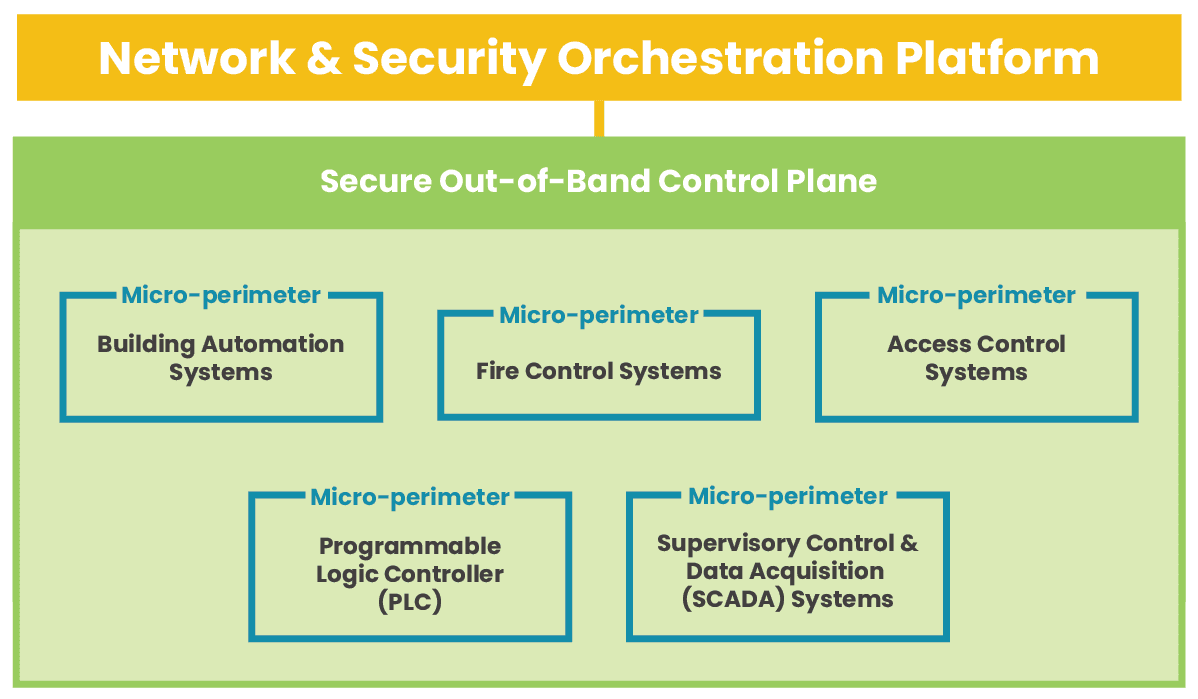
According to recent research by Barracuda Networks, more than 90 percent of manufacturing organizations saw cyberattacks hit their production or energy supply in 2021 alone. OT is a frequent target because of how devastating an attack can be on business operations and because it often lacks the same security policies and controls that protect IT infrastructure. To solve this problem, teams need to apply zero trust security principles, policies, and technology to their OT networks. The zero trust security methodology follows the motto “never trust, always verify.” That means operating under the assumption that no users or devices should be trusted, even if they’re logging in from within the main office. Achieving a zero-trust architecture means segmenting IT and OT networks and creating micro-perimeters of highly specific security policies and controls to protect each segment. Zero trust often uses advanced security technologies like AIOps and machine learning to enforce those policies, identify subtle signs of compromise, and quickly resolve security incidents.

How to implement zero trust for OT

Let’s discuss the requirements and best practices for implementing zero trust for OT.

Isolate critical systems with segmentation

Zero trust requires custom-tailored security policies and controls to protect specific network resources. That means network teams must logically segment the network based on which resources need to be protected by which policies and technologies, a practice known as micro-segmentation.

OT is often grouped together into a single micro-segment under the assumption that all OT needs the same protection. However, not all OT is created equally, especially in the eyes of a would-be attacker. For example, a programmable logic controller (PLC) gives cybercriminals control over manufacturing processes, but compromising an access control system lets them physically infiltrate the building. Some organizations take zero trust even further by using nano-segmentation to isolate individual systems, applications, or containers to create extremely effective micro-perimeters to address specific vulnerabilities.

Micro- and nano-segmentation are the backbone of a zero-trust architecture, enabling the creation of micro-perimeters using granular access policies and security controls customized for the protected resources.

Create and enforce strong security policies

Zero trust security policies determine who can pass through each micro-perimeter and who can access each OT resource. These policies should follow a least-privilege approach, meaning everyone gets the bare minimum privileges required to complete their workflows and nothing more. The best practice is to use role-based access control (RBAC), categorizing individual accounts based on their role (e.g., system administrators or machine operators) and giving each role least-privilege access to the resources required for that job.

The best way to create and enforce zero trust security policies is with an identity and access management (IAM) solution. A zero-trust IAM solution monitors each micro-perimeter to verify the identities of all accounts requesting access and attempts to establish an account’s trustworthiness using methods like two-factor authentication (2FA). Some advanced IAM solutions even use machine learning technology like user and entity behavior analytics (UEBA) to monitor account activity on the network and spot anomalous behavior that could indicate compromise.

  • IAM = Identity and Access Management: Creates and deploys policies, verifies identities, and establishes trustworthiness.
  • 2FA = Two-Factor Authentication: Requires an additional form of identity verification (besides the username and password), such as a code sent to an authorized mobile device.
  • UEBA = User and Entity Behavior Analytics: Uses machine learning to monitor account activity, creates baselines for normal behavior, and identifies anomalies that could mean an account is compromised.

Strong, granular security policies and zero-trust IAM solutions help protect OT by limiting account privileges and preventing compromised accounts from accessing network resources.

Leverage advanced security technologies

There are additional security technologies that support or enhance zero trust for OT. For example, a next-generation firewall (NGFW) makes network segmentation easier and includes advanced features such as application-aware filtering and deep-packet inspection. Secure access service edge (SASE) delivers zero trust security solutions to the network edge, safeguarding OT at remote branch sites with the same policies and controls as the central enterprise network. AIOps uses artificial intelligence for better threat detection and faster incident recovery.

Organizations use advanced security technologies to fortify micro-perimeters, extend zero trust to the edge, and gain enhanced detection and recovery capabilities.

Implement zero trust for OT with Nodegrid

Zero trust security protects operational technology using network segmentation to create micro-perimeters of strong security policies and advanced security technologies custom-tailored to each individual resource’s requirements and vulnerabilities. Achieving zero trust is typically a long and tedious process because of how many solutions and devices you must deploy.

The Nodegrid solution from ZPE Systems alleviates this challenge by providing a vendor neutral platform capable of hosting and deploying all your zero trust security technologies. For example, Nodegrid network edge routers deliver all the networking capabilities required to spin up an OT branch and can directly host your choice of third-party security solutions. Nodegrid reduces hardware expenses by consolidating network functionality onto fewer devices while unifying network and security management under a single umbrella for greater operational efficiency.

In fact, Nodegrid is an entire Services Delivery Platform that you can deploy anywhere in your network architecture to host your critical third-party SaaS (software as a service) solutions. That means you can create a customized branch-in-a-box that combines gateway routing, switching, out-of-band (OOB) management, NGFW, SASE, infrastructure automation, and more in a single device.

Ready to Learn More?

Contact ZPE Systems to learn more about implementing and enhancing zero trust for OT with the Nodegrid Services Delivery Platform.

Contact Us

SD-WAN ROI Calculator & Cost Reduction Strategies

sd-wan roi calculator

As an organization expands by adding new branches, its WAN also expands. The larger the WAN grows, the more network traffic needs to flow through MPLS (multi-protocol label switching) circuits, which have much more expensive bandwidth fees than traditional circuits. Some organizations improve their network performance by deploying security appliances at regional data centers, so they don’t need to backhaul traffic through the central firewall, but this only increases MPLS expenses and operating costs. Plus, spinning up each branch takes time, partly because of how long it takes to install a new MPLS circuit, which reduces agility and increases overhead costs.

SD-WAN, or software-defined wide area networking, abstracts WAN management to a separate control plane, streamlining workflows and allowing for a high degree of automation. SD-WAN makes it possible to leverage 5G and other networking technologies to reduce the reliance on MPLS circuits while still applying security policies and controls. With SD-WAN, you can lower your MPLS bandwidth costs, reduce the number of security appliances deployed around the enterprise, and deploy new branches faster.

In this post, we describe how SD-WAN decreases branch networking costs. We also explore strategies to reduce your expenses, providing an SD-WAN ROI calculator for a more personalized estimate of your potential savings.

How SD-WAN reduces branch networking costs


Reducing branch networking costs with SD-WAN

SD-WAN decreases MPLS bandwidth expenses by leveraging 5G and other available networks when possible.
An SD-WAN on-ramp to SASE means fewer security appliances deployed around the enterprise.
SD-WAN results in faster branch deployments by decreasing the reliance on new MPLS circuit installations.


Implementing SD-WAN can result in the following cost reduction benefits.

Decreased MPLS bandwidth expenses

In a traditional WAN architecture, MPLS circuits are installed at each branch to create a semi-private connection back to the primary enterprise network; this traffic isn’t encrypted, but it is partitioned from the public internet and other MPLS customers. MPLS networks are very reliable, but the bandwidth is significantly more expensive than public internet bandwidth. Finding ways to reduce the amount of traffic over MPLS circuits can reduce the ongoing operational costs of each branch.

SD-WAN leverages whatever networks are at its disposal—including MPLS, public ISPs, and 5G/4G cellular—to find the best and most efficient path for branch traffic. An organization can use SD-WAN software to prioritize specific kinds of traffic based on parameters such as the apps or resources being requested, so precious MPLS bandwidth is only used when needed. Many organizations are able to move away from MPLS completely by using SD-WAN. Providers are also required to build their SD-WAN fabric from encrypted tunnels, allowing SD-WAN to direct traffic over the public internet with less risk.

Cost reduction strategy: secure access service edge (SASE)

Even with SD-WAN’s encryption, branch traffic still needs to pass through a security appliance in the central data center so enterprise security policies and controls can be applied, which likely means using the MPLS anyway. Secure access service edge, or SASE, rolls up multiple enterprise security technologies (such as next-generation firewalls (NGFWs) and data loss prevention) into a single solution delivered as a service, which means organizations can deploy it to regional data centers or even the branches themselves. SD-WAN’s intelligent routing feature can determine when branch traffic is destined for cloud or web resources, then direct this traffic through the SASE stack instead of using the MPLS to reach the central firewall. SASE can help eliminate MPLS usage completely while reducing bottlenecks for greater cost savings.

With SD-WAN and SASE, your organization can reduce the ongoing monthly expense of MPLS bandwidth at each branch without sacrificing reliability or security.


Fewer security appliances

To ensure that branch traffic is as secure as the primary enterprise network, teams usually backhaul that traffic through the same central firewall for inspection and policy application. This creates a massive bottleneck that can slow the entire enterprise down, so some organizations choose to deploy security appliances at smaller regional data centers near their branch locations to distribute the load. However, that usually means additional MPLS circuits are provisioned at each data center, increasing startup and bandwidth costs. Plus, there are the hardware, software, and licensing costs for all the additional security appliances.

We’ve already mentioned how SD-WAN leverages alternative networks (as well as encrypted tunnels) to reduce MPLS bandwidth usage and how SASE applies enterprise security controls to branch traffic while bypassing firewalls entirely. These two benefits also result in cost savings from needing to purchase and license fewer security appliances. Since vendors deliver SASE as a service, it doesn’t necessarily require special hardware to run, and some providers even offer it as a managed cloud service, eliminating the hardware cost altogether.

Cost reduction strategy: vendor-neutral solutions

On-premises versions of SASE usually don’t need vendor-specific hardware so you can deploy the software on any available server as a VM. However, many branches lack the extra server storage or computer headroom needed for this kind of deployment. To ensure you can deploy SASE without buying additional resources, consider vendor-neutral branch networking solutions that can directly host and run third-party VMs. That means you can get gateway routing, switching, out-of-band serial console management, and SASE in a single device, consolidating the branch networking stack to reduce hardware expenses and management complexity.

With SD-WAN, SASE, and vendor-neutral solutions, you can streamline your branch deployments to reduce costs and increase efficiency.


Faster branch deployments

Generally speaking, the faster a company can deploy a new branch, the faster it will see a return on investment (ROI). However, getting a new MPLS circuit provisioned can take a long time—several months is typical—which can delay deployment timelines and increase overhead expenses while an organization sits on a non-productive branch.

SD-WAN makes it possible to leverage alternative network technologies to get a branch up and running before the MPLS circuit is ready. For example, SD-WAN can direct branch traffic across a 5G network even before the main fiber or cable connection is installed. When all of the branch circuits are provisioned, SD-WAN can seamlessly incorporate them into its routing policies based on preconfigured policies and automation triggers for a smooth deployment. In short, SD-WAN eliminates the organization’s reliance on MPLS for revenue generation, with branches that can be fully operational as soon as LTE or ISP links are set up.

Cost reduction strategy: zero touch provisioning (ZTP)

Another way to reduce branch spin-up times is with zero touch provisioning, or ZTP. ZTP uses software scripts to execute new device configurations over the network, reducing the need for pre-staging or manual, on-site programming. Typical branch deployments involve sending engineers on-site to manually copy and paste configuration files, which is time consuming and increases the risk of human error. With ZTP, unskilled on-site staff simply plug in new device cables and the configuration scripts are automatically retrieved and executed to fully build the environment without human touch. Plus, ZTP scripts are reusable, so you can use the same ones to deploy many different branches.

With SD-WAN and ZTP, your organization can reduce branch deployment delays and see a faster ROI from new branches.


SD-WAN ROI calculator

ZPE Systems provides vendor-neutral branch networking solutions that can directly host or integrate your choice of SD-WAN and SASE applications. ZPE’s platform also allows you to extend ZTP and other automation to every device in every branch on your network. Check out our SD-WAN ROI calculator for a customized estimate of how much money you can save by deploying SD-WAN on ZPE’s platform.

ZPE System’s Nodegrid solution combines branch networking, out-of-band management, and vendor-neutral orchestration into a single platform.

To learn more about using Nodegrid as your on-ramp to SD-WAN, or for help with the SD-WAN ROI calculator, contact ZPE Systems today

Contact Us