Providing Out-of-Band Connectivity to Mission-Critical IT Resources

Critical Entities Resilience Directive

Critical Entities Resilience Directive
The Critical Entities Resilience (CER) Directive is an EU regulation designed to prevent disruption to the services considered essential to society or the economy. The CER Directive outlines the obligations of critical entities to prepare for any potential hazard, including natural disasters, human errors, terrorist attacks, and cybersecurity breaches. EU Member States have until 17 October 2024 to adopt and publish resilience measures required for their critical entities, and those measures officially take effect from 18 October 2024. Member States must identify and notify critical entities by July 2026; these entities then only have ten months to comply with CER requirements. With such a tight timeframe to demonstrate compliance with the Critical Entities Resilience Directive, organizations that might be deemed critical should begin preparing their resilience strategies now.

Citation: Directive (EU) 2022/2557 of the European Parliament and of the Council of 14 December 2022 on the resilience of critical entities and repealing Council Directive 2008/114/EC

Who does the Critical Entities Resilience Directive apply to, and why does it matter?

The CER Directive covers eleven sectors and subsectors that provide services essential to society, the economy, public health & safety, or preserving the environment. These include:

In-Scope Sectors Covered by the CER Directive

Sector Subsectors
Energy
  • Electricity
  • Heating and cooling
  • Oil & gas
  • Hydrogen
Transport
  • Air
  • Rail
  • Water
  • Road
  • Public transportation
Banking
  • Deposit, lending, and credit institutions
Financial Market Infrastructure
  • Trading venues
  • Clearing systems
Health
Drinking Water
  • Drinking water suppliers
  • Drinking water distributors
Waste Water
  • Collection
  • Treatment
  • Disposal
Digital Infrastructure
Public Administration
Space
  • Operators of ground-based infrastructure for space-based services
Food Production, Processing, and Distribution
  • Large-scale industrial food production and processing
  • Food supply chain services
  • Food wholesale distributors

The Critical Entities Resilience Directive is one of several new EU regulations (such as DORA and NIS2) created to establish consistent guidelines for resilience in sectors where any service disruption has a significant negative impact on society or the economy. Whereas DORA applies primarily to financial institutions and supporting services, and NIS2 focuses on cybersecurity threats, the CER Directive is broader in scope and addresses other, non-digital threats to resilience such as natural disasters and global health crises (e.g., COVID-19).

The penalties for noncompliance will vary by Member State but are likely to include fines, public notification, remediation, and withdrawal of authorization.

CER Directive requirements for critical entities

Most of the CER Directive requirements apply to Member States, outlining how the designated authorities will adopt and enforce resilience measures and support critical entities in achieving compliance. However, there are five key provisions that relevant organizations should be aware of as they prepare for their identification as critical entities.

1. Article 4: Strategy on the resilience of critical entities

EU Member States have until 17 January 2026 to adopt a strategy outlining the guidelines and procedures for critical entities to achieve and maintain a high level of resilience. Essentially, this strategy will describe the requirements for CER Directive compliance in each Member State and provide guidance on how to meet those requirements. Potentially critical entities can prepare by examining existing resilience frameworks and regulations to anticipate the policies, tools, and procedures that will likely be required.

2. Article 5: Risk assessment by Member States

Member States have until 17 January 2026 to perform a risk assessment of all essential services. These assessments must account for natural and human-made risks, including accidents, natural disasters, public health emergencies, terrorist attacks, and antagonistic threats. Member States will then use the risk assessments to identify critical entities within each sector.

3. Article 12: Risk assessment by critical entities

Critical entities must perform risk assessments using similar criteria to Article 5 within nine months of being notified of their designation as critical and at least every four years afterward. If an organization already conducts risk assessments according to other similar resilience guidelines or frameworks, Member States have the authority to decide whether or not those assessments meet CER Directive compliance requirements.

4. Article 13: Resilience measures of critical entities

Critical entities must take the appropriate technical, security, and policy measures to ensure resilience, including a comprehensive strategy for service continuity and disaster recovery. Examples of resilience measures outlined by the CER Directive include:

CER Directive Resilience Measures

Requirements Examples
Adopt disaster risk reduction and climate adaptation measures Using an environmental monitoring system to detect and respond to rising temperatures, humidity, and other relevant conditions
Ensure adequate physical protection of the premises and critical infrastructure, including fencing, barriers, perimeter monitoring tools, detection equipment, and access controls Installing proximity sensors in data center racks to automatically notify security teams if an unauthorized user physically tampers with remote infrastructure
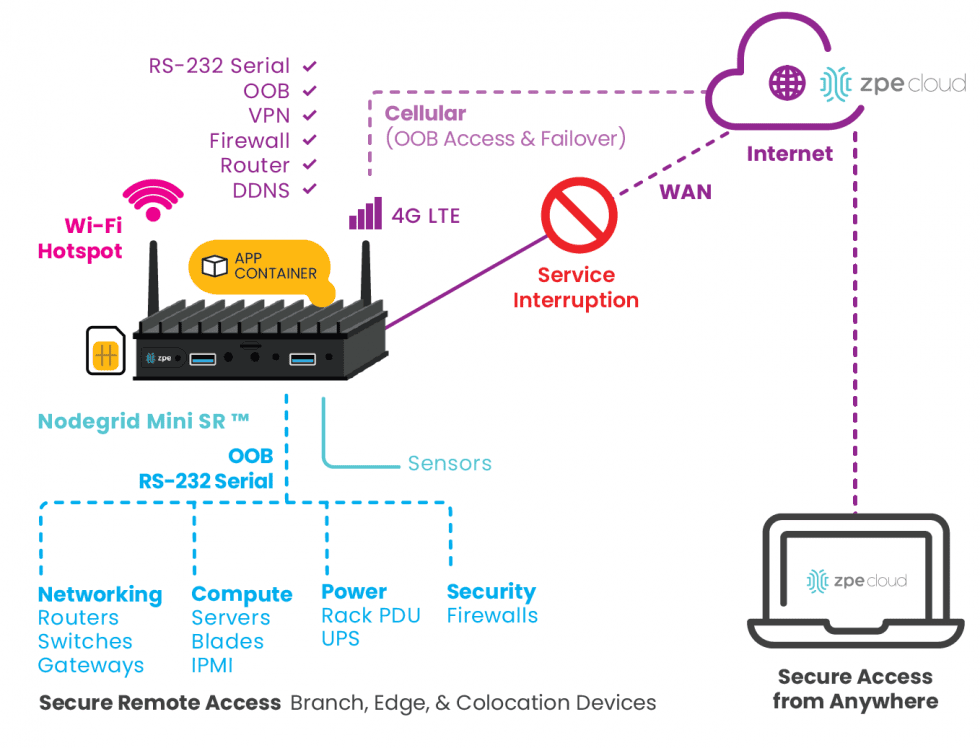
Respond to, resist, and mitigate service disruptions Deploying out-of-band (OOB) serial consoles with cellular capabilities to ensure continuous remote management access to critical infrastructure
Recover from incidents using business continuity measures to resume provisioning essential services Building a resilience system containing all the infrastructure and tools needed to rebuild and recover while still delivering core services
Manage employee security by classifying personnel who exercise critical functions, establishing access rights and controls, and performing background checks as needed Adopting zero-trust security policies and controls that assign access privileges according to role (role-based access control, or RBAC)

5. Article 15: Incident notification

Critical entities must notify the competent authority of any incidents that have or could significantly disrupt essential services within 24 hours of detection. The significance of a disruption is determined according to the following parameters:

  • How many users the disruption affects;
  • How long the disruption lasts;
  • The geographical area the disruption affects.

The incident notification must explain the nature, cause, and potential consequences of the disruption, including any cross-border implications.

How Nodegrid simplifies CER Directive compliance

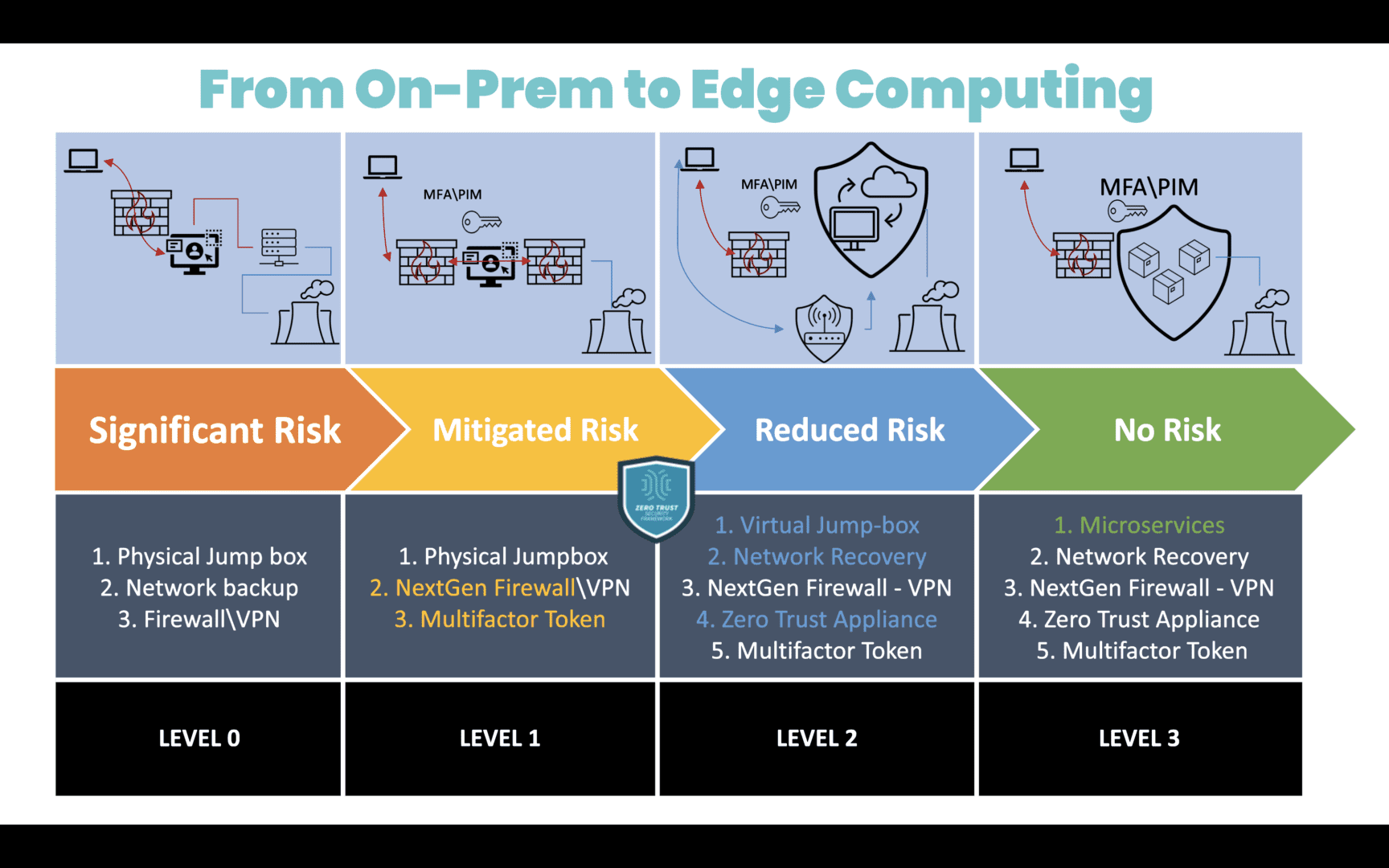
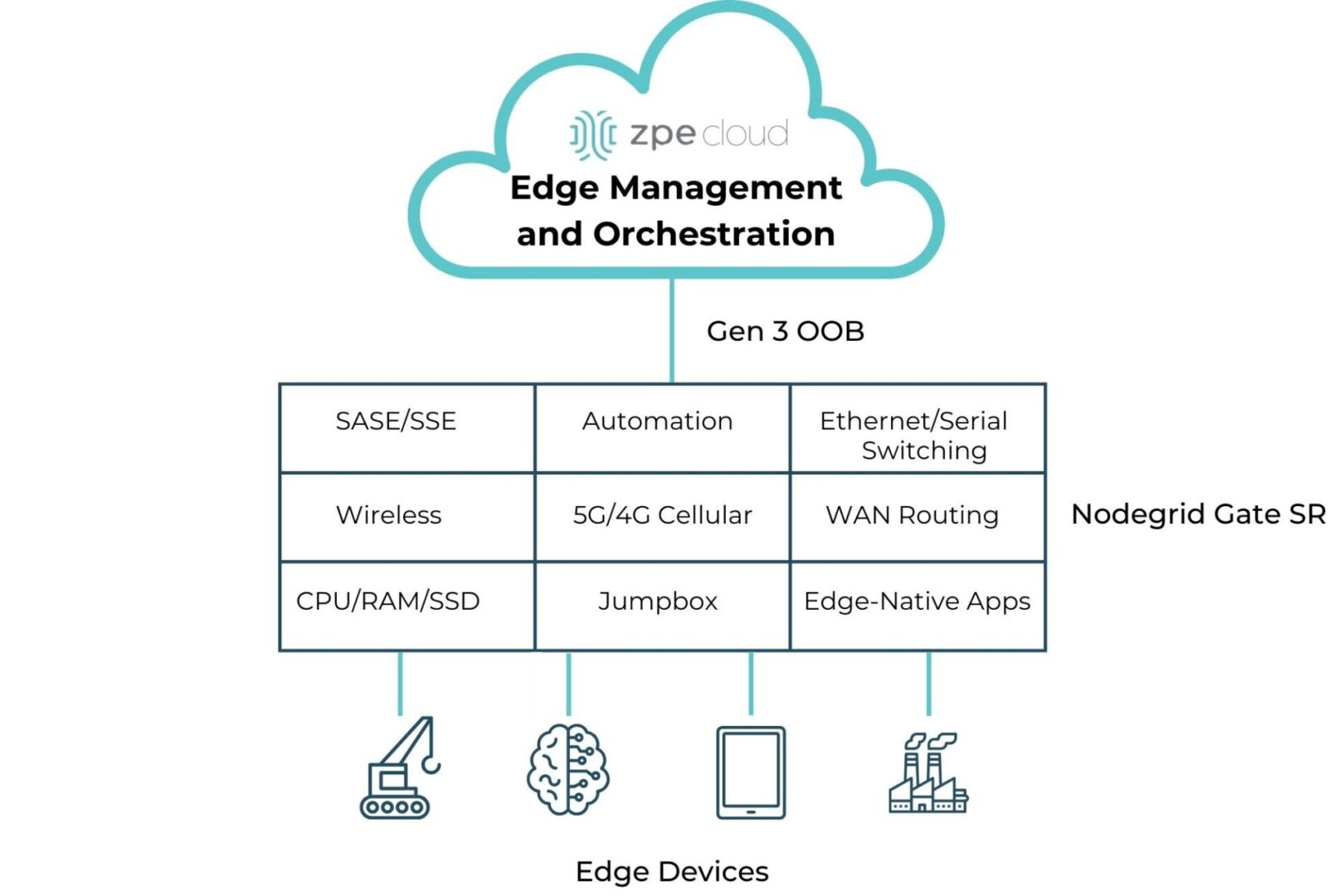
Nodegrid is a Gen 3 out-of-band management platform that makes the perfect foundation for a resilience system. Nodegrid OOB separates the control plane from the data plane to ensure continuous remote management access to critical infrastructure even during production network outages. Vendor-neutral serial consoles and integrated branch service routers directly host third-party software for security, automation, recovery, and more, reducing hardware overhead at each site while ensuring teams have access to all the tools they need to restore essential services.

Looking to Upgrade to a Nodegrid serial console?

Prepare for the Critical Entities Resilience Directive by replacing your discontinued, EOL serial console with a Gen 3 out-of-band solution from Nodegrid.

Click here to learn more!

ZPE Systems Unveils IT Resilience Products at Cisco Live, Including Solution to Protect AI Investments

NSC Core Edition and Gate SR with Jetson module

Budget-friendly console server product and dual-CPU NVIDIA platform help organizations protect their infrastructure and AI investments.

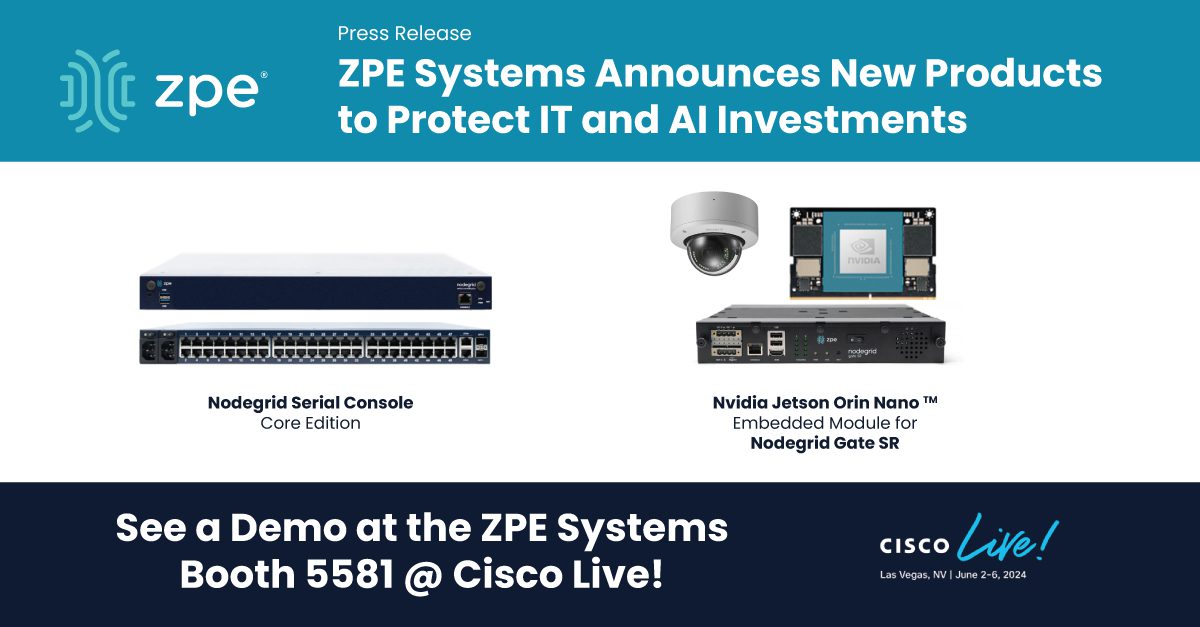
Fremont, CA — May 28, 2024 — ZPE Systems, a leader in network infrastructure and management solutions that is now part of Legrand, launches two new products at Cisco Live Las Vegas: the Nodegrid Serial Console Core Edition and the Nodegrid Gate SR platform with embedded NVIDIA Jetson Orin Nano™ module. These innovative products will empower organizations to better protect their vital IT infrastructure and NVIDIA AI investments from the growing risks of cyber-attacks.

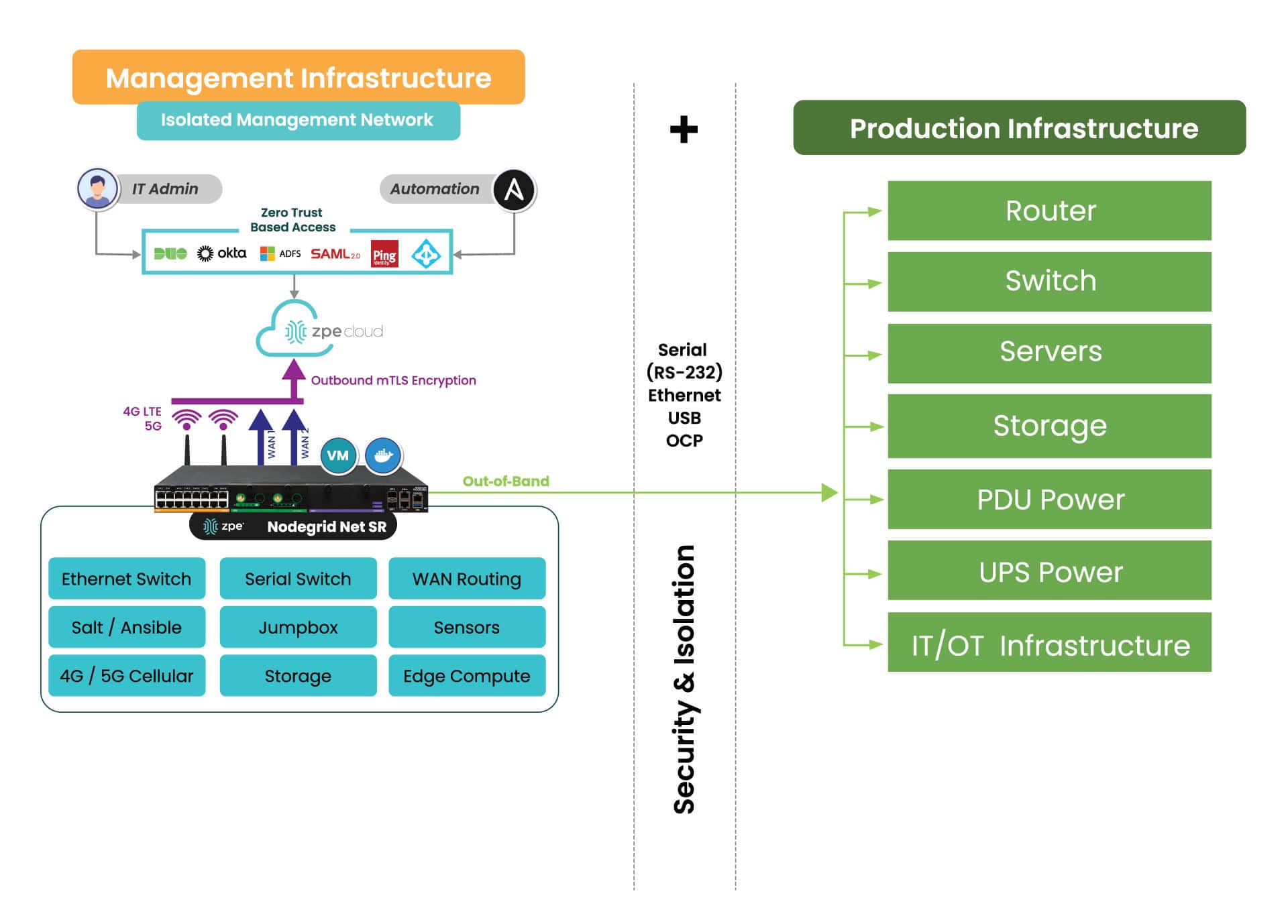
The Nodegrid Serial Console Core Edition is a cost-effective third generation console server that resolves the vulnerabilities left by legacy console servers. It leverages drop-in Isolated Management Infrastructure (IMI) to fully separate management traffic from production networks. The creation of a separate management network provides physical and logical isolation from unauthorized users and cyber threats.  

“The first step in cybersecurity resiliency is proper IT hygiene, starting with the right architecture to remove anxiety from automated patching and recovery,” said Koroush Saraf, VP of Products and Marketing at ZPE Systems. “The Core Edition simplifies IMI, providing secure, isolated management access from any branch office or remote location via any LAN or WAN link type, including cellular connections. This gives customers a safe environment for patching or configuration rollback even during an outage or cyberattack.” 

Though IMI has been used primarily by hyperscalers and big tech brands, the Core Edition enables businesses of all sizes to build their own IMI networks and reap the benefits of a layered security approach at an affordable price. 

“With the NSCP Core Edition, our goal is to make big tech’s resilience practices accessible and affordable for all organizations,” emphasizes Arnaldo Zimmermann, Cofounder of ZPE and VP/GM at Legrand. “Now, anyone can drop in our Gen 3 console server, create their IMI, and close those vulnerabilities created by their outdated devices.” 

ZPE is also releasing the Nodegrid Gate SR with embedded Jetson module. This new platform internally hosts the NVIDIA Jetson Orin Nano™ module, serving as an out-of-band device for initial bring-up, patching, and upgrading when running NVIDIA workloads. ZPE’s Gate SR with embedded Jetson module offers a dual-CPU platform that uses the same IMI concept for provisioning AI workloads via out-of-band path and allows customers to deploy, manage, and upgrade remotely via ZPE Cloud. This new Nodegrid platform enables organizations to improve industrial floor safety, campus security, and manufacturing quality control, by deploying 3rd party computer vision software at the edge. Organizations can now add resilience and recovery to the fleet of their NVIDIA AI workloads with ZPE embedded or external AI hardware devices.

To learn more, visit the Core Edition page or meet us in booth 5581 at Cisco Live. 

PCI DSS 4.0 Requirements

Businessman,Using,Virtual,Touch,Screen,Clicks,Abbreviation:,Pci,Dss.,Concept
The Security Standards Council (SSC) of the Payment Card Industry (PCI) released the version 4.0 update of the Data Security Standard (DSS) in March 2022. PCI DSS 4.0 applies to any organization in any country that accepts, handles, stores, or transmits cardholder data. This standard defines cardholder data as any personally identifiable information (PII) associated with someone’s credit or debit card. The risks for PCI DSS 4.0 noncompliance include fines, reputational damage, and potentially lost business, so organizations must stay up to date with all recent changes.

The new requirements cover everything from protecting cardholder data to implementing user access controls, zero trust security measures, and frequent penetration (pen) testing. Each major requirement defined in the updated PCI DSS 4.0 is summarized below, with tables breaking down the specific compliance stipulations and providing tips or best practices for meeting them.

Citation: The PCI DSS v4.0

PCI DSS 4.0 requirements and best practices

Every PCI DSS 4.0 requirement starts with a stipulation that the processes and mechanisms for implementation are clearly defined and understood. The best practice involves updating policy and process documents as soon as possible after changes occur, such as when business goals or technologies evolve, and communicating changes across all relevant business units.

Jump to the other requirements below:

Build and maintain a secure network and systems

Requirement 1: Install and maintain network security controls

Network security controls include firewalls and other security solutions that inspect and control network traffic. PCI DSS 4.0 requires organizations to install and properly configure network security controls to protect payment card data.

Stipulations for Compliance

Best Practices

Network security controls (NSCs) are configured and maintained.

Validate network security configurations before deployment and use configuration management to track changes and prevent configuration drift.

Network access to and from the cardholder data environment (CDE) is restricted.

Monitor all inbound traffic to the CDE, even from trusted networks, and, when possible, use explicit “deny all” firewall rules to prevent accidental gaps.

Network connections between trusted and untrusted networks are controlled.

Implement a DMZ that manages connections between untrusted networks and public-facing resources on the trusted network.

Risks to the CDE from computing devices that can connect to both untrusted networks and the CDE are mitigated.

Use security controls like endpoint protection and firewalls to protect devices from Internet-based attacks and zero-trust and network segmentation to prevent lateral movement to CDEs.

Requirement 2: Apply secure configurations to all system components

Attackers often compromise systems using known default passwords or old, forgotten services. PCI DSS 4.0 requires organizations to properly configure system security settings and reduce the attack surface by turning off unnecessary software, services, and accounts.

Stipulations for Compliance

Best Practices

System components are configured and managed securely.

Continuously check for vendor-default user accounts and security configurations and ensure all administrative access is encrypted using strong cryptographic protocols.

Wireless environments are configured and managed securely.

Apply the same security standards consistently across wired and wireless environments, and change wireless encryption keys whenever someone leaves the organization.

Protect account data

Requirement 3: Protect stored account data

Any payment account data an organization stores must be protected by methods such as encryption and hashing. Organizations should also limit account data storage unless it’s necessary and, when possible, truncate cardholder data.

Stipulations for Compliance

Best Practices

Storage of account data is kept to a minimum.

Use data retention and disposal policies to configure an automated, programmatic procedure to locate and remove unnecessary account data.

Sensitive authentication data (SAD) is not stored after authorization.

Review data sources to ensure that the full contents of any track, card verification code, and PIN/PIN blocks are not retained after the authorization process is completed.

Access to displays of full primary account number (PAN) and ability to copy cardholder data are restricted.

Use role-based access control (RBAC) to limit PAN access to individuals with a defined need and use the masking approach to display only the number of digits needed for a specific function.

PAN is secured wherever it is stored.

Render PAN unreadable using one-way hashing with a randomly generated secret key, truncation, index tokens, and strong cryptography with secure key management.

Cryptographic keys used to protect stored account data are secured.

Manage cryptographic keys with a centralized key management system that’s PCI DSS 4.0 compliant to restrict access to key-encrypting keys and store them separately from data-encrypting keys.

Where cryptography is used to protect stored account data, key management processes and procedures covering all aspects of the key lifecycle are defined and implemented.

Use a key management solution that simplifies or automates key replacement for old or compromised keys.

Requirement 4: Protect cardholder data with strong cryptography during transmission over open, public networks

While requirement 3 applies to stored card data, requirement 4 outlines stipulations for protecting cardholder data in transit.

Stipulations for Compliance

Best Practices

PAN is protected with strong cryptography during transmission.

Encrypt PAN over both public and internal networks and apply strong cryptography at both the data level and the session level.

Maintain a vulnerability management program

Requirement 5: Protect all systems and networks from malicious software

Organizations must take steps to prevent malicious software (a.k.a., malware) from infecting the network and potentially exposing cardholder data.

Stipulations for Compliance

Best Practices

Malware is prevented, or detected and addressed.

Use a combination of network-based controls, host-based controls, and endpoint security solutions; supplement signature-based tools with AI/ML-powered detection.

Anti-malware mechanisms and processes are active, maintained, and monitored.

Update tools and signature databases as soon as possible and prevent end-users from disabling or altering anti-malware controls.

Anti-phishing mechanisms protect users against phishing attacks.

Use a combination of anti-phishing approaches, including anti-spoofing controls, link scrubbers, and server-side anti-malware.

Requirement 6: Develop and maintain secure systems and software

Development teams should follow PCI-compliant processes when writing and validating code. Additionally, install all appropriate security patches immediately to prevent malicious actors from exploiting known vulnerabilities in systems and software.

Stipulations for Compliance

Best Practices

Bespoke and custom software are developed securely.

Use manual or automatic code reviews to search for undocumented features, validate that third-party libraries are used securely, analyze insecure code structures, and check for logical vulnerabilities.

Security vulnerabilities are identified and addressed.

Use a centralized patch management solution to automatically notify teams of known vulnerabilities and pending updates.

Public-facing web applications are protected against attacks.

Use automatic vulnerability security assessment tools that include specialized web scanners that analyze web application protection.

Changes to all system components are managed securely.

Use a centralized source code version management solution to track, approve, and roll back changes.

Implement strong access control measures

Requirement 7: Restrict access to system components and cardholder data by business need-to-know

This PCI DSS 4.0 requirement aims to limit who and what has access to sensitive cardholder data and CDEs to prevent malicious actors from gaining access through a compromised, over-provisioned account. “Need to know” means that only accounts with a specific need should have access to sensitive resources; it’s often applied using the “least-privilege” approach, which means only granting accounts the specific privileges needed to perform a job role.

Stipulations for Compliance

Best Practices

Access to system components and data is appropriately defined and assigned.

Use RBAC to provide accounts with access privileges based on their job functions (e.g., ‘customer service agent’ or ‘warehouse manager’) rather than on an individual basis.

Access to system components and data is managed via an access control system.

Use a centralized identity and access management (IAM) system to manage access across the enterprise, including branches, edge computing sites, and the cloud.

Requirement 8: Identify users and authenticate access to system components

Organizations must establish and prove the identity of any users attempting to access CDEs or sensitive data. This requirement is core to the zero trust security methodology which is designed to limit the scope of data access and theft once an attacker has already compromised an account or system.

Stipulations for Compliance

Best Practices

User identification and related accounts for users and administrators are strictly managed throughout an account’s lifecycle.

Use an account lifecycle management solution to streamline account discovery, provisioning, monitoring, and deactivation.

Strong authentication for users and administrators is established and managed.

Replace relatively weak passwords/passphrases with stronger authentication factors like hardware tokens or biometrics.

Multi-factor authentication (MFA) is implemented to secure access into the CDE.

MFA should also protect access to management interfaces on isolated management infrastructure (IMI) to prevent attackers from controlling the CDE.

MFA systems are configured to prevent misuse.

Secure the MFA system itself with strong authentication and validate MFA configurations before deployment to ensure it requires two different forms of authentication and does not allow any access without a second factor.

Use of application and system accounts and associated authentication factors is strictly managed.

Whenever possible, disable interactive login on system and application accounts to prevent malicious actors from logging in with them.

Requirement 9: Restrict physical access to cardholder data

Malicious actors could gain access to cardholder data by physically interacting with payment devices or tampering with the hardware infrastructure that stores and processes that data. These PCI DSS 4.0 requirements outline how to prevent physical data access.

Stipulations for Compliance

Best Practices

Physical access controls manage entry into facilities and systems containing cardholder data.

Use logical or physical controls to prevent unauthorized users from connecting to network jacks and wireless access points within the CDE facility.

Physical access for personnel and visitors is authorized and managed.

Require visitor badges and an authorized escort for any third parties accessing the CDE facility, and keep an accurate log of when they enter and exit the building.

Media with cardholder data is securely stored, accessed, distributed, and destroyed.

Do not allow portable media containing cardholder data to leave the secure facility unless absolutely necessary.

Point of interaction (POI) devices are protected from tampering and unauthorized substitution.

Use a centralized, vendor-neutral asset management system to automatically discover and track all POI devices in use across the organization.

Use of application and system accounts and associated authentication factors is strictly managed.

Whenever possible, disable interactive login on system and application accounts to prevent malicious actors from logging in with them.

Regularly monitor and test networks

Requirement 10: Log and monitor all access to system components and cardholder data

User activity logging and monitoring will help prevent, detect, and mitigate CDE breaches. PCI DSS 4.0 requires organizations to collect, protect, and review audit logs of all user activities in the CDE.

Stipulations for Compliance

Best Practices

Audit logs are implemented to support the detection of anomalies and suspicious activity, and the forensic analysis of events.

Use a user and entity behavior analytics (UEBA) solution to monitor user activity and detect suspicious behavior with machine learning algorithms.

Audit logs are protected from destruction and unauthorized modifications.

Never store audit logs in public-accessible locations; use strong RBAC and least-privilege policies to limit access.

Audit logs are reviewed to identify anomalies or suspicious activity.

Use an AIOps tool to analyze audit logs, detect anomalous activity, and automatically triage and notify teams of issues.

Audit log history is retained and available for analysis.

Retain audit logs for at least 12 months in a secure storage location; keep the last three months of logs immediately accessible to aid in breach resolution.

Time-synchronization mechanisms support consistent time settings across all systems.

Use NTP to synchronize clocks across all systems to help with breach mitigation and post-incident forensics.

Failures of critical security control systems are detected, reported, and responded to promptly.

Use AIOps to automatically detect, triage, and respond to security incidents. AIOps also provides automatic root-cause analysis (RCA) for faster incident resolution.

Requirement 11: Test security of systems and network regularly

Researchers and attackers continuously discover new vulnerabilities in systems and software, so organizations must frequently test network components, applications, and processes to ensure that in-place security controls are still adequate. ge changes; ensure alerts are monitored.

Stipulations for Compliance

Best Practices

Wireless access points are identified and monitored, and unauthorized wireless access points are addressed.

Use a wireless analyzer to detect rogue access points.

External and internal vulnerabilities are regularly identified, prioritized, and addressed.

PCI DSS 4.0 requires internal and external vulnerability scans at least once every three months, but performing them more often is encouraged if your network is complex or changes frequently.

External and internal penetration testing is regularly performed, and exploitable vulnerabilities and security weaknesses are corrected.

Work with a PCI DSS-approved vendor to perform external and internal penetration testing; conduct pen testing on network segmentation controls.

Network intrusions and unexpected file changes are detected and responded to.

Use AI-powered, next-generation firewalls (NGFWs) with enhanced detection algorithms and automatic incident response capabilities.

Unauthorized changes on payment pages are detected and responded to.

Use anti-skimming technology like file integrity monitoring (FIM) to detect unauthorized payment page changes; ensure alerts are monitored.

Maintain an information security policy

Requirement 12: Support information security with organizational policies and programs

The final requirement is to implement information security policies and programs to support the processes described above and get everyone on the same page about their responsibilities regarding cardholder data privacy.

Stipulations for Compliance

Best Practices

Acceptable use policies for end-user technologies are defined and implemented.

Enforce usage policies with technical controls capable of locking users out of systems, applications, or devices if they violate these policies.

Risks to the cardholder data and environment are formally identified, evaluated, and managed.

Use a centralized patch management system to monitor firmware and software versions, detect changes that may increase risk, and deploy updates to fix vulnerabilities.

PCI DSS compliance is managed.

Service providers must assign executive responsibility for managing PCI DSS 4.0 compliance.

PCI DSS scope is documented and validated.

Frequently validate PCI DSS scope by evaluating the CDE and all connected systems to determine if coverage should be expanded.

Security awareness education is an ongoing activity.

Require all users to take security awareness training upon hire and every year afterwards; it’s also recommended to provide refresher training when someone transfers into a role with more access to sensitive data.

Personnel are screened to reduce risks from insider threats.

In addition to screening new hires, conduct additional screening when someone moves into a role with greater access to the CDE.

Risk to information assets associated with third-party service provider (TPSP) relationships is managed.

Thoroughly analyze the risk of working with third-parties based on their reporting practices, breach history, incident response procedures, and PCI DSS validation.

Third-party service providers (TPSPs) support their customers’ PCI DSS compliance.

Require TPSPs to provide their PCI DSS Attestation of Compliance (AOC) to demonstrate their compliance status.

Suspected and confirmed security incidents that could impact the CDE are responded to immediately.

Create a comprehensive incident response plan that designates roles to key stakeholders.

Isolate your CDE and management infrastructure with Nodegrid

The Nodegrid out-of-band (OOB) management platform from ZPE Systems isolates your control plane and provides a safe environment for cardholder data, management infrastructure, and ransomware recovery. Our vendor-neutral, Gen 3 OOB solution allows you to host third-party tools for automation, security, troubleshooting, and more for ultimate efficiency.

Ready to know more about PCI DSS 4.0 Requirements?

Learn how to meet PCI DSS 4.0 requirements for network segmentation and security by downloading our isolated management infrastructure (IMI) solution guide.
Download the Guide

Cyberthreats are Soaring: ZPE Systems Urges Immediate Action with Gen 3 Console Servers to Thwart Breaches

Press Release Complete EOL replacement solution

Organizations using end-of-life console servers must reduce their vulnerability exposure and secure their infrastructure comprehensively by using ZPE’s console servers, installation services and configuration engineering. 

Fremont, CA, May 2, 2024 — As cyberattacks continue to rise, ZPE Systems, a leader in network management infrastructure, recently acquired by Legrand, is urging organizations to  transition to Generation 3 console servers as part of their security strategies. With other well-known infrastructure providers discontinuing support for serial consoles already in use within data centers, communication networks and other commercial and industrial environments, the need to upgrade is paramount.    

Console servers are the backbone of remote IT management, providing essential access to network devices and servers. However, using discontinued console servers poses significant security risks. Outdated firmware may contain known vulnerabilities that enable cyber attackers to infiltrate critical systems, causing costly data breaches and operational disruptions. 

Despite these substantial risks, many organizations hesitate to replace their outdated infrastructure, citing budget constraints, labor costs and concerns about infrastructure disruption. Arnaldo Zimmermann, cofounder of ZPE Systems, highlights this dilemma, saying, “Organizations face financial constraints when considering hardware upgrades, especially when existing infrastructure seems to be working fine. When you consider the capex, labor costs and time it takes to physically install and configure new equipment, it’s easy to see why organizations say, ‘if it’s not broken, don’t fix it.’”  

To address these challenges, ZPE Systems now offers a comprehensive solution designed to alleviate budgetary concerns and streamline the replacement process:

1. New Cost-Effective Replacement Options

ZPE’s Nodegrid devices enable organizations to secure their management infrastructure with new budget-friendly, Gen 3 console servers. These range in cost from premium options to small yet powerful, budget-friendly units.

2. New Professional Installation & Recycling Services

As needed, ZPE Systems offers solutions for physical installation process and recycling of old equipment, minimizing downtime and ensuring environmental responsibility. ZPE connects organizations to a network of trusted partners including ByteBridge, Mirapath, Trace3, and others.

3. New Tailored Configuration Services

ZPE’s engineers provide customized configuration services to transfer the old configuration to new systems and optimize the performance and security of the new console servers. 

“There’s a lot of friction in upgrading,” adds Koroush Saraf, VP of Products and Marketing at ZPE Systems. “We’ve heard of customers using outdated devices for years, who won’t replace because they just don’t have the time, money or manpower. Our goal is to remove that friction, streamlining the transition process and empowering organizations to enhance their security posture without the added burden.”  

By utilizing Gen 3 console servers from ZPE, customers benefit from 3rd party security validated firmware that addresses Common Vulnerabilities and Exposures (CVEs) as well as hardware security features designed to mitigate cybersecurity threats. Organizations can safeguard their assets, protect sensitive data, and maintain operational continuity in an increasingly volatile digital landscape. 


Explore this comprehensive solution using the link below

Explore the hardware options, trusted partner network, and configuration services by clicking the link. You can also get hands-on with this solution at RSA Conference next week. Click the link for details and to get ZPE’s special code that unlocks your free pass.

Cisco ISR 4431 EOL Replacement Guide

NSR with ZPE Logo

The Cisco ISR 4431 is an enterprise branch services router from Cisco’s Integrated Services Router product line. The ISR 4431 integrates with the Cisco DNA infrastructure management platform and the Catalyst SD-WAN (software-defined wide area networking) solution. Its modular design also makes the ISR 4431 extensible with Cisco’s Network Interface Modules (NIMs) to add storage, Ethernet switching, out-of-band (OOB) console server management, and other capabilities.

Cisco announced end-of-sale and end-of-life (EOL) dates for select ISR 4400-series models, including the ISR 4431. Its Cisco-recommended replacement option is the Catalyst C8300, which offers some improvements over the ISR but still suffers from some management, automation, and scaling limitations. However, there are other options on the market that fill these gaps with secure, vendor-neutral, all-in-one branch networking solutions. This guide compares Cisco ISR 4431 EOL replacement options and discusses the advanced features and capabilities offered by Cisco alternatives.

Click here for a list of ISR 4431 EOL products and replacement SKUs.
.

Upcoming Cisco ISR 4431 EOL dates

  • November 6, 2024 – End of routine failure analysis, end of new service attachment
  • August 31, 2025 – End of software maintenance releases and bug fixes
  • February 5, 2028 – End of service contract renewal
  • November 30, 2028 – Last date of support

Looking to replace a different Cisco EOL model? Read our guides Cisco ISR EOL Replacement Options and Cisco 4351 EOL Replacement Guide.

Cisco ISR 4431 EOL replacement options

Cisco ISR 4431 (EOL)

Cisco Catalyst C8300

Nodegrid NSR

Out-of-band (OOB) management

Gen 1 OOB

Gen 2 OOB

Gen 3 OOB

Extensibility

Integrates with Cisco partners only

Integrates with Cisco partners only

Supports virtualization, containers, and integrations

Automation

• Policy-based automation

• Cloud-based automated device provisioning (ZTP)

• Automated deployment of network services (Cisco DNA)

• Policy-based automation

• Cloud-based automated device provisioning (ZTP)

• Automated deployment of network services (Cisco DNA)

• Zero Touch Provisioning (ZTP) via LAN/DHCP, WAN/ZPE Cloud, USB

• Auto-discovery via network scan and custom probes

• Integrated orchestration and automation:

  ◦ Puppet

  ◦ Chef

  ◦ Ansible

  ◦ RESTful

  ◦ ZPE Cloud

  ◦ Nodegrid Manager

Security

• Intrusion prevention

• Cisco Umbrella Branch

• Encrypted traffic analytics

• IPSec tunnels

• DMVPN

• FlexVPN

• GETVPN

• Content filtering

• NAT

• Zone-based firewall

• Intrusion prevention

• Cisco Umbrella Branch

• Encrypted traffic analytics

• IPSec tunnels

• DMVPN

• FlexVPN

• GETVPN

• Content filtering

• NAT

• Zone-based firewall

• Edgified, hardened device with BIOS protection, TPM 2.0, UEFI Secure Boot, Signed OS, Self-Encrypted Disk (SED), Geofencing

• X.509 SSH certificate support, 4096-bit encryption keys

• Selectable cryptographic protocols for SSH and HTTPS (TLSv1.3)

• SSL VPN (Client and Server)

• IPSec, Wireguard, support for multi-sites

• Local, AD/LDAP, RADIUS, TACACS+, and Kerberos authentication

• SAML support via Duo, OKTA, Ping Identity

• Local, backup-user authentication support

• User-access lists per port

• Fine grain and role-based access control (RBAC)

• Firewall - IP packet and security filtering, IP forwarding support

• Two-factor authentication (2FA) with RSA and Duo

Hardware Services

• Serial console ports

• USB console ports

• IP management ports

• Voice functionality

• Compute module

• Serial console ports

• USB console ports

• Voice functionality

• Serial console ports

• USB console ports

• IP management ports

• PDU management

• IPMI device management

• (Optional) Compute module

• (Optional) Storage module

Network services

• Cisco SD-WAN software

• WAN optimization

• AppNAV

• Application visibility and control

• Multicast

• Overlay Transport Virtualization (OTV)

• Ethernet VPN (EVPNoMPLS)

• IPv6 support

• Cisco SD-WAN software

• WAN optimization

• AppNAV

• Application visibility and control

• Multicast

• Overlay Transport Virtualization (OTV)

• Ethernet VPN (EVPNoMPLS)

• IPv6 support

• IPv4 / IPv6 Support

• Embedded Layer 2 Switching

• VLAN

• Layer 3 Routing

• BGP

• OSFP

• RIP

• QoS

• DHCP (Client and Server)

Operating System

Cisco IOS

Cisco IOS

Nodegrid OS

CPU

Multi-Core processor

Multi-Core processor

Intel x86-64 Multi-Core

Storage

4GB-8GB Flash memory

16GB M.2 SSD storage

32GB FLASH (mSATA SSD) (Upgradeable) Self-Encrypted Drive (SED)

RAM

4GB-8GB DRAM

8GB DRAM

8GB DDR DRAM (Upgradeable)

Size

2RU

2RU

1RU

The Cisco Catalyst C8300

The Cisco ISR 4431 suffers from numerous limitations, such as its large physical size and closed ecosystem. Cisco’s recommended replacement option, the Catalyst C8300, has the same problems.

Both devices are 2RU, making them too large to easily install in cramped branches and edge computing sites that may not have a dedicated IT space. Both the ISR 4431 and the Catalyst C8300 are closed platforms, only supporting integrations with Cisco’s third-party partners like ThousandEyes. This prevents teams from utilizing all the security, automation, and monitoring solutions they’re most familiar with (or that work best for their specific use case), increasing the difficulty and complexity of branch network operations. Cisco’s OOB management modules and DNA software are also mostly limited to controlling other Cisco devices, leaving administrators with critical coverage gaps or multiple management solutions to deal with. Overall, these limitations reduce the efficiency, resilience, and scalability of branch network operations.

The Nodegrid Net SR (NSR)

The Nodegrid platform from ZPE Systems addresses many of Cisco’s limitations with vendor-neutral branch services routers (SRs). The Nodegrid Net Services Router (NSR) is a 1RU replacement for Cisco ISR 4431 EOL devices and features advanced branch networking capabilities.

Want to see how Nodegrid stacks up against Cisco’s ISR 4431 EOL replacement options? Click here to download the services routers comparative matrix.

The NSR provides branch gateway routing and switching, vendor-neutral VNF (virtual network function) hosting, and out-of-band management in a single, 1RU device. The NSR’s expansion modules add capabilities like PoE+, cellular/Wi-Fi, edge compute, and additional serial console management ports.

Nodegrid solutions are vendor-neutral, supporting Guest OS and Docker containers for third-party software. Teams can use their favorite tools for monitoring, automation, and security, and even extend these capabilities to legacy and mixed-vendor infrastructure. Organizations can use Nodegrid to create a custom-tailored, all-in-one branch networking solution with all the apps and services needed to deploy, manage, troubleshoot, and recover branch operations. Plus, Nodegrid creates an isolated management plane where teams can recover from ransomware, deploy resource-intensive automated workflows, and ensure 24/7 branch operations, improving resilience and supporting efficient scaling.

Ready to replace your Cisco ISR 4431 EOL products?

The Nodegrid platform delivers vendor-neutral branch network management for improved efficiency, resilience, and scalability. See our Cisco ISR 4431 EOL replacement SKUs below or contact ZPE Systems for help choosing the right Nodegrid solution for your business.

Explore our full products and services package to replace your Cisco ISR 4431

We know that replacing EOL devices takes a lot of effort. That’s why ZPE now offers a complete package of budget-friendly products and engineering services. Visit our page to see how we make it easy to replace discontinued devices like the Cisco ISR 4431.

Cisco ISR 4431 replacement SKUs

Cisco ISR 4431 EOL Product SKUs

In-Scope Features

Nodegrid Replacement Product SKUs

ISR4431-AX/K9

ISR4431-AXV/K9

ISR4431-DNA

ISR4431-PM20

ISR4431-SEC/K0

ISR4431-V/K9

ISR4431-VSEC/K9

ISR4431/K9

Serial Console Module, Routing, 16 serial ports

ZPE-NSR-816-DAC with 1 x 16 port serial module 1 x ZPE-NSR-16SRL-EXPN


ISR4431-AX/K9

ISR4431-AXV/K9

ISR4431-DNA

ISR4431-PM20

ISR4431-SEC/K0

ISR4431-V/K9

ISR4431-VSEC/K9

ISR4431/K9

Serial Console Module, Routing, 32 serial ports

ZPE-NSR-816-DAC with 2 x 16 port serial module 2 x ZPE-NSR-16SRL-EXPN

ISR4431-AX/K9

ISR4431-AXV/K9

ISR4431-DNA

ISR4431-PM20

ISR4431-SEC/K0

ISR4431-V/K9

ISR4431-VSEC/K9

ISR4431/K9

Serial Console Module, Routing, 48 serial ports

ZPE-NSR-816-DAC with 3 x 16 port serial module 3 x ZPE-NSR-16SRL-EXPN

ISR4431-AX/K9

ISR4431-AXV/K9

ISR4431-DNA

ISR4431-PM20

ISR4431-SEC/K0

ISR4431-V/K9

ISR4431-VSEC/K9

ISR4431/K9

Serial Console Module, Routing, 60 serial ports

ZPE-NSR-816-DAC with 4 x 16 port serial module 4 x ZPE-NSR-16SRL-EXPN

80 serial port option – no Cisco equivalent

Serial Console Module, Routing, 80 serial ports

ZPE-NSR-816-DAC with 5 x 16 port serial module 5 x ZPE-NSR-16SRL-EXPN

Opengear Alternatives for the OM2200 and OM1200

NSRSTACK2-1
The Opengear Operations Manager is a series of NetOps console servers providing out-of-band remote access to manage remote network infrastructure in data center, edge, and branch deployments. There are a few reasons to consider alternative options, including a lack of 3rd-party integrations, 5G support, and gateway routing capabilities. This blog goes over the pros and cons of the Operations Manager solutions before discussing Opengear alternatives that provide greater automation, orchestration, and security features as well as all-in-one branch networking capabilities.

Executive summary

  • Opengear’s Operations Manager (OM) appliances are NetOps console servers providing out-of-band (OOB) management for remote network infrastructure.
  • While OM appliances provide some automation capabilities, especially with the upgraded Automation Edition, they offer limited third-party integrations and end-device automation features.
  • The OM2200 and OM1200 both lack integrated branch gateway functionality and have limited security features overall.
  • The Nodegrid platform from ZPE Systems overcomes these limitations with vendor-neutral OOB serial consoles and branch services routers.
  • Nodegrid enables end-to-end automation through end-device ZTP and unlimited third-party integrations with leading tools like Ansible and Chef.
  • Nodegrid also consolidates data center and branch networking functionality like gateway routing, 5G cellular failover, and security to provide all-in-one solutions.

Reviewing the Opengear Operations Manager platform

Operations Manager (or OM) is Opengear’s line of NetOps console servers. OM appliances come with Smart OOBTM for out-of-band management, including automated port discovery and VLAN support. Opengear’s x86 Lighthouse platform supports Python scripts and Docker container deployments for NetOps automation. Lighthouse also supports over 100 power vendors’ equipment, allowing it to monitor and control UPS batteries, PDU outlets, and power load balancing. It’s important to note that, while the standard (Enterprise) edition of Lighthouse supports Python and Docker, customers must upgrade to the Automation edition for zero-touch provisioning (ZTP) or other third-party automation integrations. Additionally, OM solutions do not support 2FA or SAML authentication.

Opengear OM2200

The Opengear OM2200 Operations Manager model is designed for data center and high-density use cases. It features 16, 32, 48 serial and 24 serial/Ethernet mixed port configuration options, with an optional global LTE-A Pro cellular module. The OM2200 provides five regional options for dual AC power as well as a dual DC power cord model.

Click here to see a complete Opengear OM2200 Operations Manager product SKUs list.

OM2200 Pros:

  • Plenty of RAM and storage space
  • Many options for power and serial port configurations
  • Uniquely broad support for 3rd-party power equipment
  • Some NetOps automation capabilities

OM2200 Cons:

  • Requires upgraded software licenses for ZTP and most 3rd-party automation
  • No 2FA or SAML 2.0 support
  • No managed USB serial ports
  • No 5G support

Opengear OM1200

The Opengear OM1200 Operations Manager model is meant for small edge deployments. The compact chassis supports 4 serial, 8 serial, and 8 serial/8 Ethernet port combinations. It provides OOB and failover access via dual Ethernet (SFP Fiber is available on the 4E and 8E models) as well as an optional global LTE-A Pro cellular module.

Click here to see a full list of Opengear OM1200 Operations Manager product SKUs.

OM1200 Pros:

  • Compact size
  • Cost-effective range of port configurations
  • Supports 3rd-party power equipment, Docker, and Python

OM1200 Cons:

  • Requires upgraded software licenses for ZTP and most 3rd-party automation
  • No 2FA or SAML 2.0 support
  • It doesn’t have gateway routing/SD-WAN capabilities
  • No 5G support

Opengear Operations Manager limitations

Both the OM2200 and OM1200 models suffer from similar limitations regarding automation, especially with the base version of the Lighthouse software. Even the upgraded Automation Edition, which unlocks ZTP and RESTful APIs, doesn’t provide much automation for end devices beyond running Python playbooks. This limits operational efficiency, slows down new deployments, and impedes the team’s ability to quickly rebuild core infrastructure after a failure or ransomware attack. Another issue with the OM1200, in particular, is that while its compact size will save space in your edge data center and branch office rack, it’s still a single-purpose device. That means you still need to purchase separate solutions for gateway routing, switching, and/or edge compute. These additional devices take up space, cost extra money, and require time to configure and manage.

Opengear alternatives from ZPE Systems

ZPE Systems provides an alternative option for NetOps-enabled OOB console servers called the Nodegrid solution. All Nodegrid devices run on the open, Linux-based, x86 Nodegrid OS which supports VMs and Docker containers to run your choice of third-party automation, software-defined networking/SD-WAN, and security applications. Nodegrid’s robust, onboard security protects lost or stolen devices with features like TPM 2.0, encrypted SSD, UEFI BIOS, secure boot, and geofencing. Nodegrid can also extend ZTP and other automation to legacy and mixed-vendor end devices for end-to-end network infrastructure automation. Try ZPE’s product selector to see which of Nodegrid’s serial consoles or integrated branch routers is right for your deployment. Below, we review the two models that serve as direct replacements for the Opengear OM1200 and OM2200 solutions.

Nodegrid Serial Console Plus (NSCP)

The Nodegrid Serial Console Plus (NSCP) is an alternative to the OM2200 for data center and high-density deployments. The NSCP connects 16, 32, 48, or 96 (Patent No. 9,905,980) serial devices, all in a standard 1U rackmount chassis. Dual SFP+, dual Gigabit Ethernet, and optional Wi-FI and 4G/5G LTE modules provide secure Gen 3 OOB management access and failover, ensuring blazing fast speeds and high performance. Plus, the NSCP comes with two managed USB 3.0 ports for additional flexibility.

Click here to see a complete list of Nodegrid NSCP product SKUs.

Nodegrid Net Services Router (NSR)

The Nodegrid Net Services Router (NSR) is an alternative to the OM1200 for edge data center and branch office use cases. The NSR is a modular, compact device that can deliver gateway routing, switching, serial console, and compute capabilities all in a single appliance. Gen 3 OOB and network failover are provided out of the box via dual SFP+ and dual Gigabit Ethernet ports, with optional modules for WiFi and dual-SIM 5G/4G LTE. Additional NSR modules include:

  • 16-port GbE Ethernet
  • Storage
  • 16-port Serial (for console server capabilities)
  • 16-port USB serial
  • Compute
  • 8-port PoE+
  • M.2 Cellular/Wi-Fi/SATA
  • 16-port GbE Ethernet SFP
  • 8-port Ethernet SFP+

Click here to see a complete list of Nodegrid NSCP product SKUs.

Key takeaways:

While the OM1200 and OM2200 provide OOB management with some automation, they have serious limitations that negatively impact operational efficiency. Nodegrid is an Opengear alternative providing a vendor-neutral OOB management platform that delivers unlimited automation, enhanced security, and all-in-one networking for ultimate operational efficiency.

Trade in to get a discount on Opengear alternatives

If you’re ready to replace end-of-life devices from Opengear or other vendors, now’s your chance to get a discount. Visit our trade-in page to get your trade-in offer.
Get Trade-In Offer

See Nodegrid’s Opengear Alternatives in action

Reach out today to view a demo of Nodegrid’s Opengear alternatives in action.
Request a Demo

Opengear OM2200 – Product SKU’s:

OM2216

16 x Serial, 8GB RAM, 64GB SSD, 8 x USB 2.0, 2 x GbE/SFP Fiber

OM2216-AU

Dual AC – Australian power cord

OM2216-EU

Dual AC – European Union power cord

OM2216-JP

Dual AC – Japanese power cord

OM2216-UK

Dual AC – United Kingdom power cord

OM2216-US

Dual AC – United States power cord

OM2216-DDC

Dual DC power

OM2216-L-AU

Global 4G LTE-A Pro cellular module, Dual AC – AU power cord

OM2216-L-EU

Global 4G LTE-A Pro cellular module, Dual AC – EU power cord

OM2216-L-JP

Global 4G LTE-A Pro cellular module, Dual AC – JP power cord

OM2216-L-UK

Global 4G LTE-A Pro cellular module, Dual AC – UK power cord

OM2216-L-US

Global 4G LTE-A Pro cellular module, Dual AC – US power cord

OM-2216-DDC-L

Global 4G LTE-A Pro cellular module, Dual DC power


OM2224-24E

24 x Serial, 24 x GbE, 8GB RAM, 64GB Flash

OM2224-24E-AU

1 x GbE/SFP, Dual AC – Australian power cord

OM2224-24E-EU

1 x GbE/SFP, Dual AC – European Union power cord

OM2224-24E-JP

1 x GbE/SFP, Dual AC – Japanese power cord

OM2224-24E-UK

1 x GbE/SFP, Dual AC – United Kingdom power cord

OM2224-24E-US

1 x GbE/SFP, Dual AC – United States power cord

OM2224-24E-DDC

1 x GbE/SFP, Dual DC power

OM2224-24E-L-AU

1 x GbE/SFP, Global 4G LTE-A Pro cellular module, Dual AC – AU power cord

OM2224-24E-L-EU

1 x GbE/SFP, Global 4G LTE-A Pro cellular module, Dual AC – EU power cord

OM2224-24E-L-JP

1 x GbE/SFP, Global 4G LTE-A Pro cellular module, Dual AC – JP power cord

OM2224-24E-L-UK

1 x GbE/SFP, Global 4G LTE-A Pro cellular module, Dual AC – UK power cord

OM2224-24E-L-US

1 x GbE/SFP, Global 4G LTE-A Pro cellular module, Dual AC – US power cord

OM2224-24E-DDC-L

1 x GbE/SFP, Global 4G LTE-A Pro cellular module, Dual DC power

OM2224-24E-10G-AU

10 x GbE/SFP, Dual AC – AU power cord

OM2224-24E-10G-EU

10 x GbE/SFP, Dual AC – EU power cord

OM2224-24E-10G-JP

10 x GbE/SFP, Dual AC – JP power cord

OM2224-24E-10G-UK

10 x GbE/SFP, Dual AC – UK power cord

OM2224-24E-10G-US

10 x GbE/SFP, Dual AC – US power cord

OM2224-24E-10G-DDC

10 x GbE/SFP, Dual DC power

OM2224-24E-10G-L-AU

10 x GbE/SFP, Global 4G LTE-A Pro cellular module, Dual AC – AU power cord

OM2224-24E-10G-L-EU

10 x GbE/SFP, Global 4G LTE-A Pro cellular module, Dual AC – EU power cord

OM2224-24E-10G-L-JP

10 x GbE/SFP, Global 4G LTE-A Pro cellular module, Dual AC – JP power cord

OM2224-24E-10G-L-UK

10 x GbE/SFP, Global 4G LTE-A Pro cellular module, Dual AC – UK power cord

OM2224-24E-10G-L-US

10 x GbE/SFP, Global 4G LTE-A Pro cellular module, Dual AC – US power cord

OM2224-24E-10G-DDC-L

10 x GbE/SFP, Global 4G LTE-A Pro cellular module, Dual DC power


OM2232

32 x Serial, 8GB RAM, 64GB SSD, 2 x GbE/SFP Fiber

OM2232-AU

Dual AC – Australian power cord

OM2232-EU

Dual AC – European Union power cord

OM2232-JP

Dual AC – Japanese power cord

OM2232-UK

Dual AC – United Kingdom power cord

OM2232-US

Dual AC – United States power cord

OM2232-DDC

Dual DC power

OM2232-L-AU

Global 4G LTE-A Pro cellular module, Dual AC – AU power cord

OM2232-L-EU

Global 4G LTE-A Pro cellular module, Dual AC – EU power cord

OM2232-L-JP

Global 4G LTE-A Pro cellular module, Dual AC – JP power cord

OM2232-L-UK

Global 4G LTE-A Pro cellular module, Dual AC – UK power cord

OM2232-L-US

Global 4G LTE-A Pro cellular module, Dual AC – US power cord

OM2232-DDC-L

Global 4G LTE-A Pro cellular module, Dual DC power


OM2248

48 x Serial, 8GB RAM, 64GB SSD

OM2248-AU

2 x GbE/SFP, Dual AC – Australian power cord

OM2248-EU

2 x GbE/SFP, Dual AC – European Union power cord

OM2248-JP

2 x GbE/SFP, Dual AC – Japanese power cord

OM2248-UK

2 x GbE/SFP, Dual AC – United Kingdom power cord

OM2248-US

2 x GbE/SFP, Dual AC – United States power cord

OM2248-DDC

2 x GbE/SFP, Dual DC power

OM2248-L-AU

2 x GbE/SFP, Global 4G LTE-A Pro cellular module, Dual AC – AU power cord

OM2248-L-EU

2 x GbE/SFP, Global 4G LTE-A Pro cellular module, Dual AC – EU power cord

OM2248-L-JP

2 x GbE/SFP, Global 4G LTE-A Pro cellular module, Dual AC – JP power cord

OM2248-L-UK

2 x GbE/SFP, Global 4G LTE-A Pro cellular module, Dual AC – UK power cord

OM2248-L-US

2 x GbE/SFP, Global 4G LTE-A Pro cellular module, Dual AC – US power cord

OM2248-DDC-L

2 x GbE/SFP, Global 4G LTE-A Pro cellular module, Dual DC power

OM2248-10G-AU

10 x GbE/SFP, Dual AC – AU power cord

OM2248-10G-EU

10 x GbE/SFP, Dual AC – EU power cord

OM2248-10G-JP

10 x GbE/SFP, Dual AC – JP power cord

OM2248-10G-UK

10 x GbE/SFP, Dual AC – UK power cord

OM2248-10G-US

10 x GbE/SFP, Dual AC – US power cord

OM2248-10G-DDC

10 x GbE/SFP, Dual DC power

OM2248-10G-L-AU

10 x GbE/SFP, Global 4G LTE-A Pro cellular module, Dual AC – AU power cord

OM2248-10G-L-EU

10 x GbE/SFP, Global 4G LTE-A Pro cellular module, Dual AC – EU power cord

OM2248-10G-L-JP

10 x GbE/SFP, Global 4G LTE-A Pro cellular module, Dual AC – JP power cord

OM2248-10G-L-UK

10 x GbE/SFP, Global 4G LTE-A Pro cellular module, Dual AC – UK power cord

OM2248-10G-L-US

10 x GbE/SFP, Global 4G LTE-A Pro cellular module, Dual AC – US power cord

OM2248-10G-DDC-L

10 x GbE/SFP, Global 4G LTE-A Pro cellular module, Dual DC power

Opengear OM1200 – Product SKU’s

OM1204

4 x Serial, 2GB RAM, 16GB Flash, 1 x GbE

OM1204-L

4 x Serial, 2GB RAM, 16GB Flash, 1 x GbE, Global 4G LTE

OM1204-4E

4 x Serial, 4 x GbE, 4GB RAM, 16GB Flash, 1 x GbE SFP 

OM1204-4E-L

4 x Serial, 4 x GbE, 4GB RAM, 16GB Flash, 1 x GbE SFP, Global 4G LTE 

OM1208

8 x Serial, 2GB RAM, 16GB Flash, 1 x GbE

OM1208-L

8 x Serial, 2GB RAM, 16GB Flash, 1 x GbE, Global 4G LTE

OM1208-8E

8 x Serial straight X2 pinout, 8 x GbE switch, 4GB RAM, 16GB SSD, 2 x USB 2.0, 2 x GbE/SFP Fiber

OM1208-8E-L

8 x Serial straight X2 pinout, 8 x GbE switch, 4GB RAM, 16GB SSD, 2 x USB 2.0, 2 x GbE/SFP Fiber, Global 4G LTE

Nodegrid Serial Console Plus – Product SKU’s

Nodegrid Serial Console Plus (NSCP)

4-Core Intel CPU, 4GB DDR4 RAM, 32GB SSD, 2 x SFP+, 2 x GbE, 2 x USB 3.0, 1 x HDMI, 1 x Console

NSCP-T16R-STND-SAC

16 x Cisco Rolled Serial, Single AC power

NSCP-T16R-STND-DAC

16 x Cisco Rolled Serial, Dual AC power

NSCP-T16R-STND-DDC

16 x Cisco Rolled Serial, Dual AC power

NSCP-T32R-STND-SAC

32 x Cisco Rolled Serial, Single AC power

NSCP-T32R-STND-DAC

32 x Cisco Rolled Serial, Dual AC power

NSCP-T32R-STND-DDC

32 x Cisco Rolled Serial, Dual DC power

NSCP-T48R-STND-SAC

48 x Cisco Rolled Serial, Single AC power

NSCP-T48R-STND-DAC

48 x Cisco Rolled Serial, Dual AC power

NSCP-T48R-STND-DDC

48 x Cisco Rolled Serial, Dual DC power

NSCP-T96R-STND-SAC

96 x Cisco Rolled Serial, Single AC power

NSCP-T96R-STND-DAC

96 x Cisco Rolled Serial, Dual AC power

NSCP-T96R-STND-DDC

96 x Cisco Rolled Serial, Dual DC power

Nodegrid Net SR – Product SKU’s

Nodegrid Net Services Router (NSR)

Multi-Core Intel CPU, On-board Switch, 8GB DDR4 RAM, 32GB MSATA, Hot-Swappable Fans, 2 x SFP+, 2 x GbE

NSR-TOP1-DAC

Dual AC power, 5 Slots support

NSR-BASE-DAC

Dual AC power, 3 Slots support

NSR-TOP1-SAC

Single AC power, 5 Slots support

NSR-BASE-SAC

Single AC power, 3 Slots support

NSR-TOP1-SAC-POE

Single AC and PoE, 5 Slots support

NSR-BASE-SAC-POE

Single AC and PoE, 3 Slots support

Expansion Cards

NSR-16ETH-EXPN

16 x GbE Ethernet expansion card

NSR-8ETH-POE-EXPN

8 x GbE Ethernet with PoE+ expansion card

NSR-16SRL-EXPN

16 x RJ45 Serial Rolled expansion card

NSR-16USB-EXPN

16 x USB Type A expansion card

NSR-8SFP-EXPN

8 x 10GbE SFP expansion card

NSR-DISK-EXPN

Storage expansion card

NSR-COMP-EXPN

Compute 4-core, 8GB DDR4, 32GB SATA expansion card

NSR-M2-EXPN

M.2/SATA Expansion Card